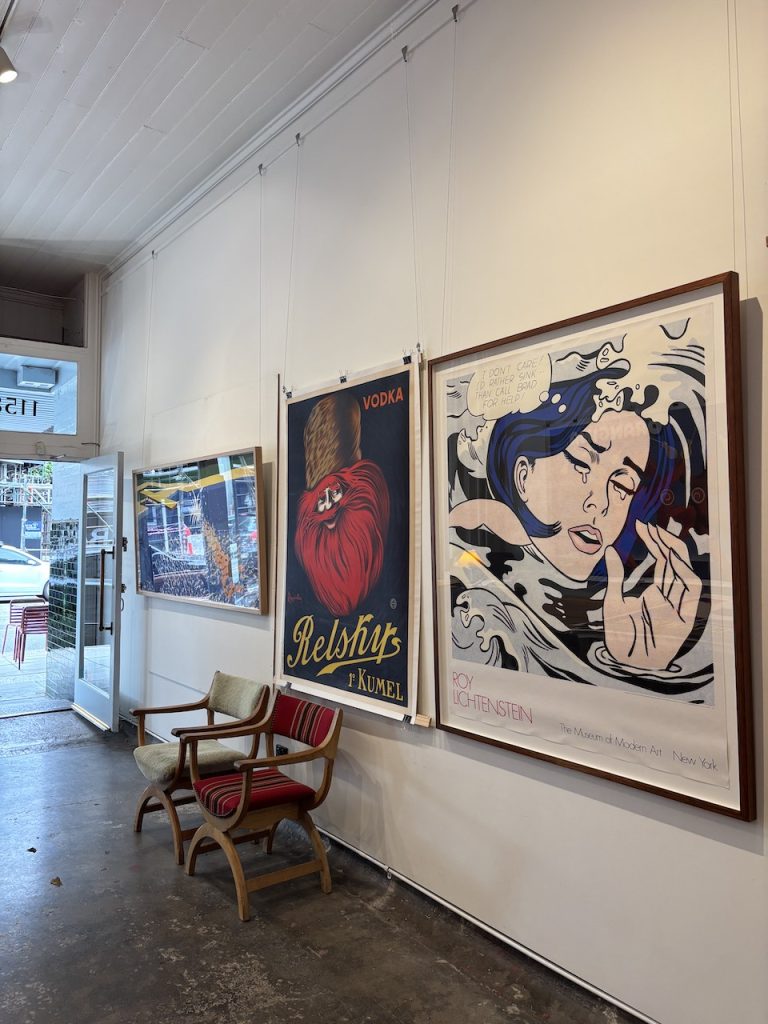
Boris Bucan
Boris Bucan is one of Croatias most respected and highly regarded artists. His works offer the viewer an opportunity to experience a true master of poster art; often incorporating surrealist elements in his work, Bucan often uses colour and psychedelic patterning to attached the viewers attention.
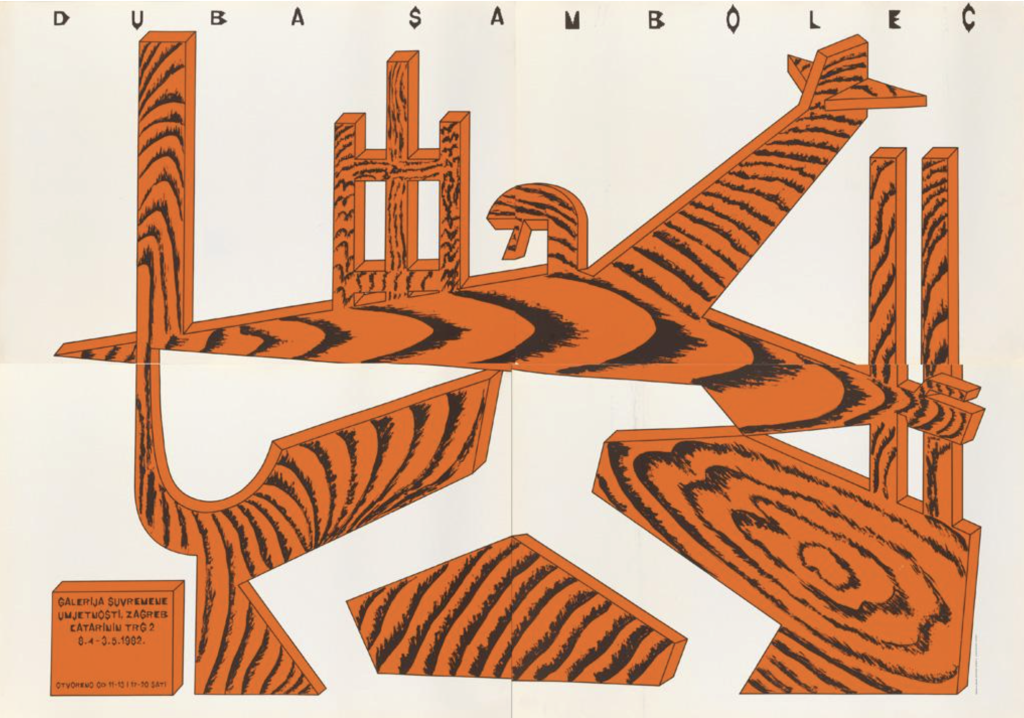
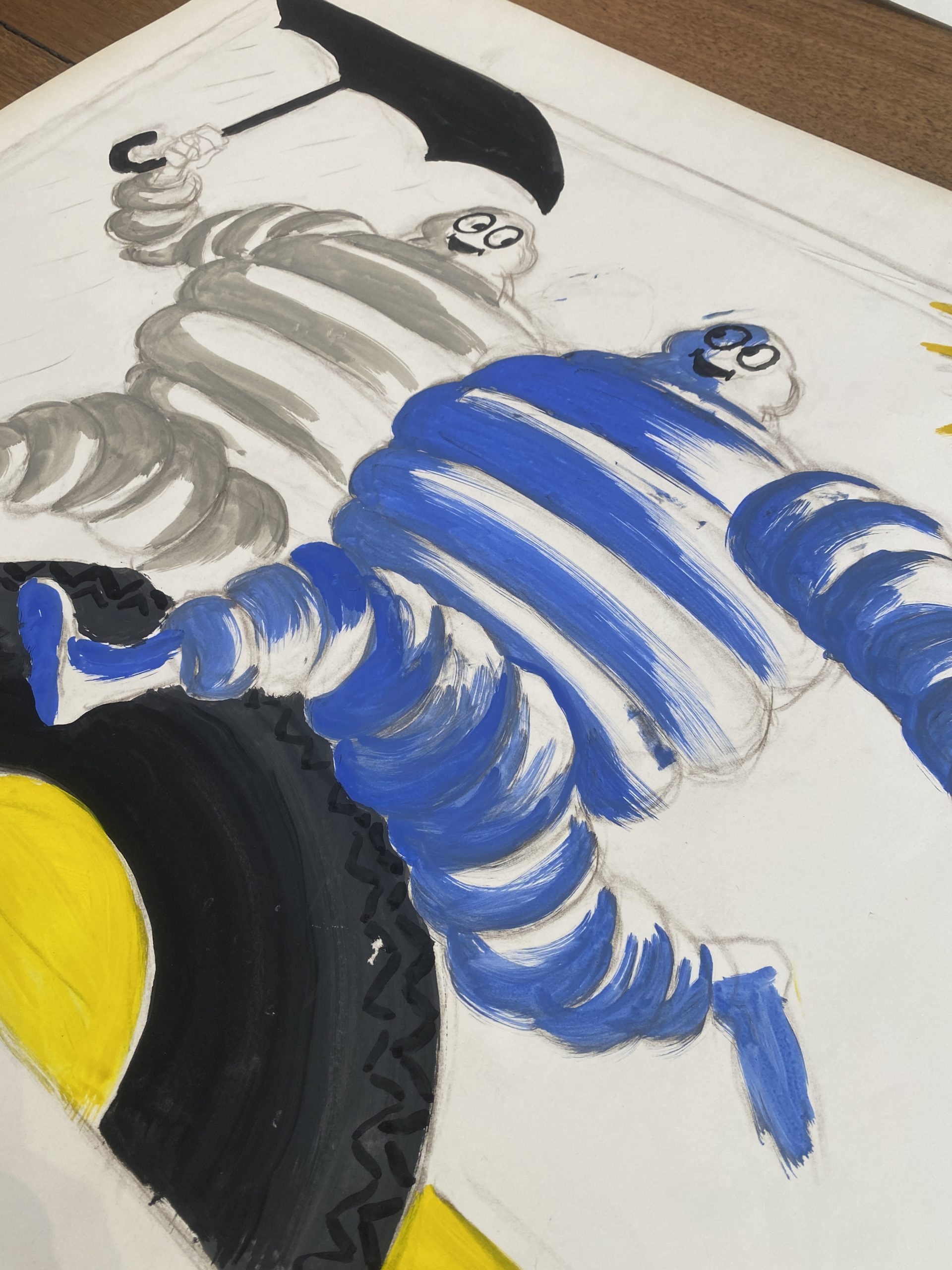
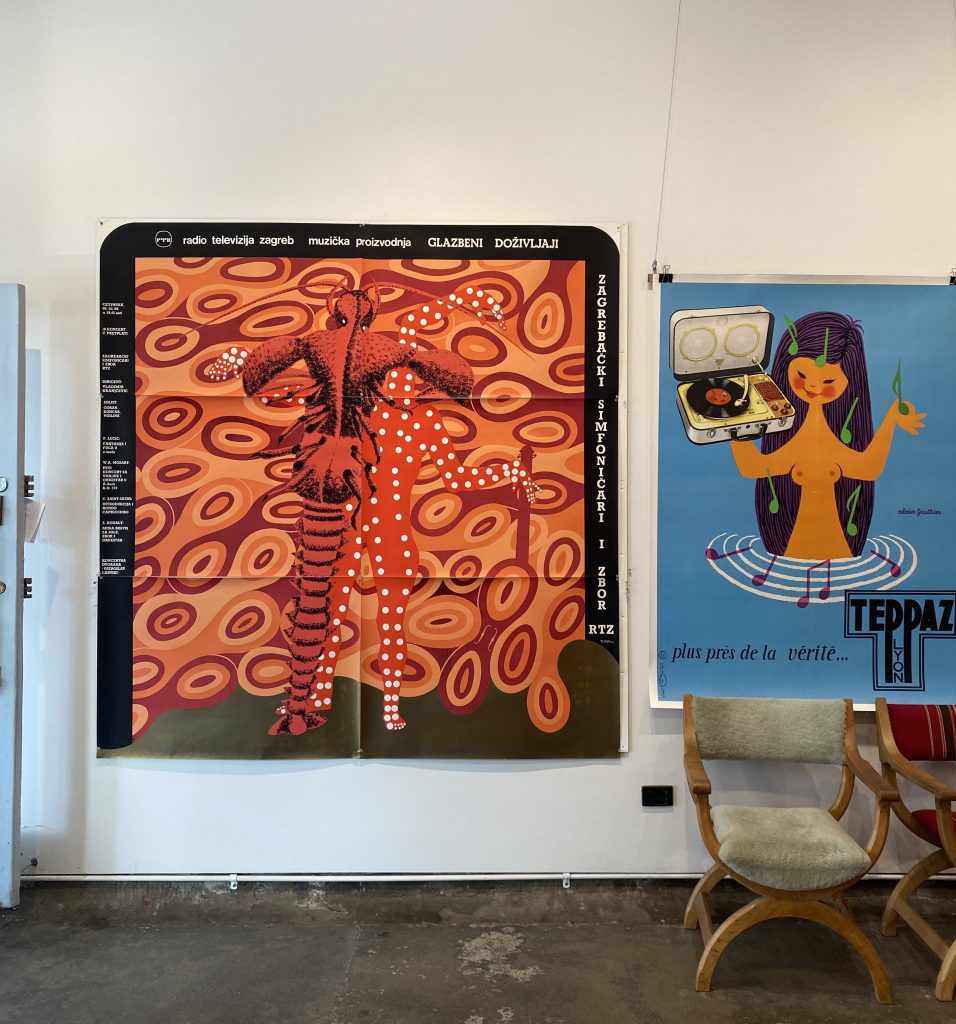
Boris Bucan is one of Croatia’s most respected and celebrated artists, known for posters that blend surrealist imagery with vivid colour and bold, almost psychedelic pattern. Born in Zagreb in 1947 and trained in the early 1970s, he built a career that moved fluidly between fine art and graphic design, creating striking work for theatres, galleries and national broadcasters. His large scale posters, often finished with metallic gold and lettering that runs along the edges, are highly collectable and instantly recognisable.
Early Life and Training
Boris Bucan was born in Zagreb, Croatia, in 1947, and the city stayed central to his story. He completed his formal artistic training in 1972 at the Academy of Fine Arts, where his studies stretched well beyond traditional painting. He worked with photography, film, video and graphic design, a broad grounding that shaped the way he thought about images for the rest of his career.
That mix of disciplines mattered. It gave him a habit of moving between mediums without much fuss, and it pushed his work out of the quiet of the gallery and into the noise of everyday public life. For Bucan, an image was not something to be hung and admired in silence. It was something to be seen on a wall, in a street, in the middle of a city going about its business.
From the Gallery to the Street
Bucan first drew serious attention in the late 1960s with a series of public installations around Zagreb. At the time, taking art out of the gallery and placing it in shared public space was a pointed gesture. It questioned who art was for and where it belonged, and it fit neatly into a wider current of artists across Europe who were asking the same thing.
This instinct for the public and the direct never really faded. It is one reason his posters feel so confident. He was comfortable with scale, comfortable competing with the visual clutter of a city, and comfortable making work that had to grab a passerby in a second or two. A poster, after all, does not get a second chance at a first impression.
A Designer for the Stage
Alongside his fine art practice, Bucan worked steadily and seriously as a graphic designer. He produced pieces for galleries, for theatrical productions, for Croatian Radio and Television, and for the National Theatre. Theatre in particular seemed to suit him. The drama of the stage gave him licence to be bold, strange and expressive in ways that a more conventional brief might not allow.
His standing in this field was high enough that he represented Yugoslavia at the Venice Biennale with a group of theatre posters, one of the most prestigious platforms in the art world. To be chosen for that stage says a great deal about how his peers viewed him, and about how far a well made poster could carry an artist’s reputation.
It is worth remembering the setting he worked in. The former Yugoslavia had a remarkably strong poster tradition, and its designers enjoyed a creative freedom that produced some of the most inventive graphic work in Europe during those decades. Bucan was a leading figure within that scene, not an outsider to it, and his posters carry the confidence of an artist who knew he was working at the front of his field.
The Bucan Look
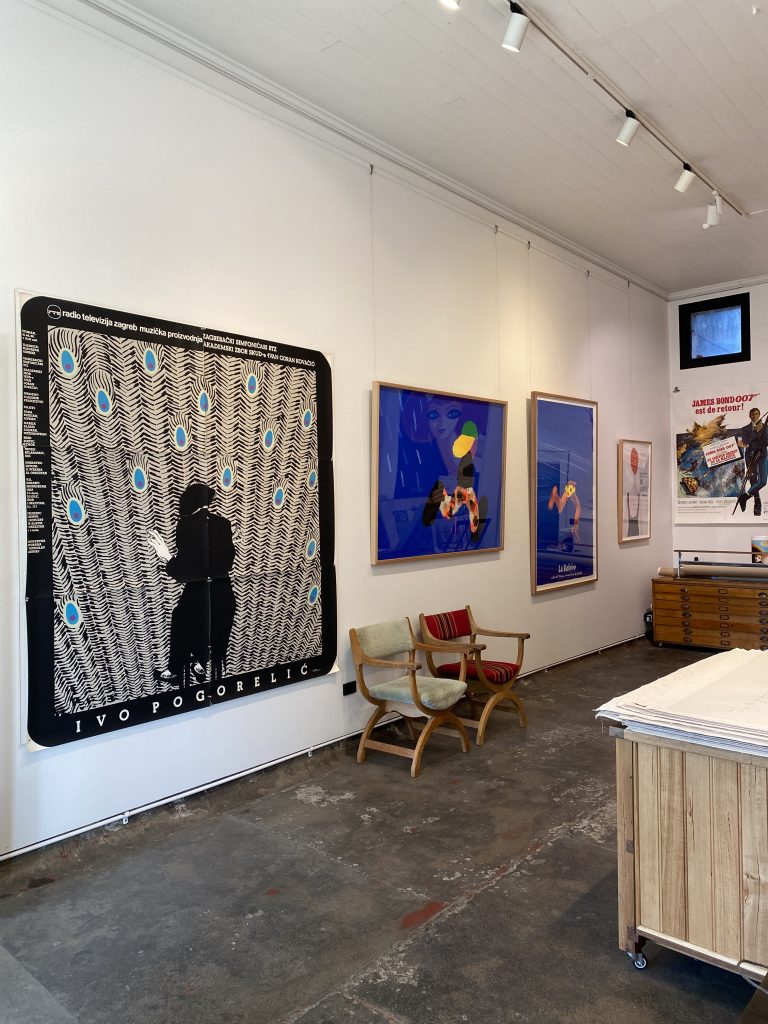
What makes a Bucan poster a Bucan poster? Scale is the first thing. He thought big, and his compositions have a commanding physical presence. Then there is the surrealist streak, the sense that ordinary forms have been bent slightly out of shape into something dreamlike. His colour is rich and unafraid, often pushed into psychedelic territory that catches the eye from a distance.
The finishing details are where his signature really shows. Metallic gold accents give his posters a glow that shifts as you move around them. Lettering frequently runs along the very edges of the sheet rather than sitting politely in the centre, framing the image and turning the type into part of the composition itself. Put those elements together and you get work that is unmistakable, and that holds its own against almost anything else on a wall. If you enjoy this kind of bold graphic design, it sits comfortably alongside the mid century work featured in our Melbourne Design Week selection.
Collecting Bucan
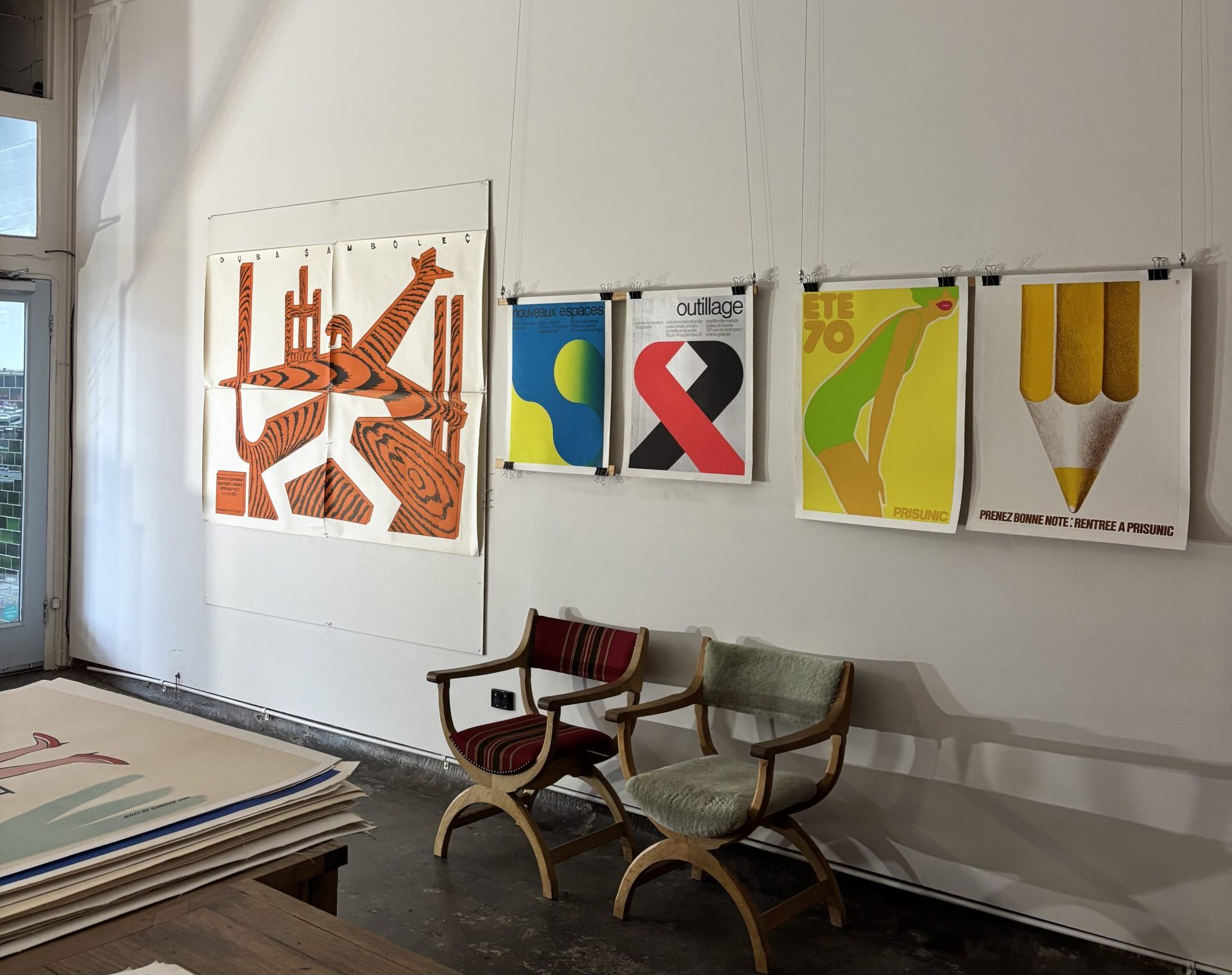
Letitia Morris Gallery holds several of Bucan’s recognised and sought after posters, available to view and to purchase. For collectors drawn to bold graphic art with a genuine sense of history, his work offers a rare combination. It is the product of a serious fine artist, it carries the energy of the theatre and the street, and it looks superb on a wall. These are posters that reward a long second look.
They also happen to be forgiving pieces to live with. Bucan’s images are graphic enough to anchor a large room, yet their colour and pattern sit comfortably alongside both modern and more traditional interiors. Framed well and kept out of harsh direct sunlight, an original poster of this kind will hold its colour for many years, which is part of what makes it such a rewarding thing to own rather than simply to admire. To see what is currently in stock or to ask about a particular piece, contact the gallery.
View our entire range here: Boris Bucan
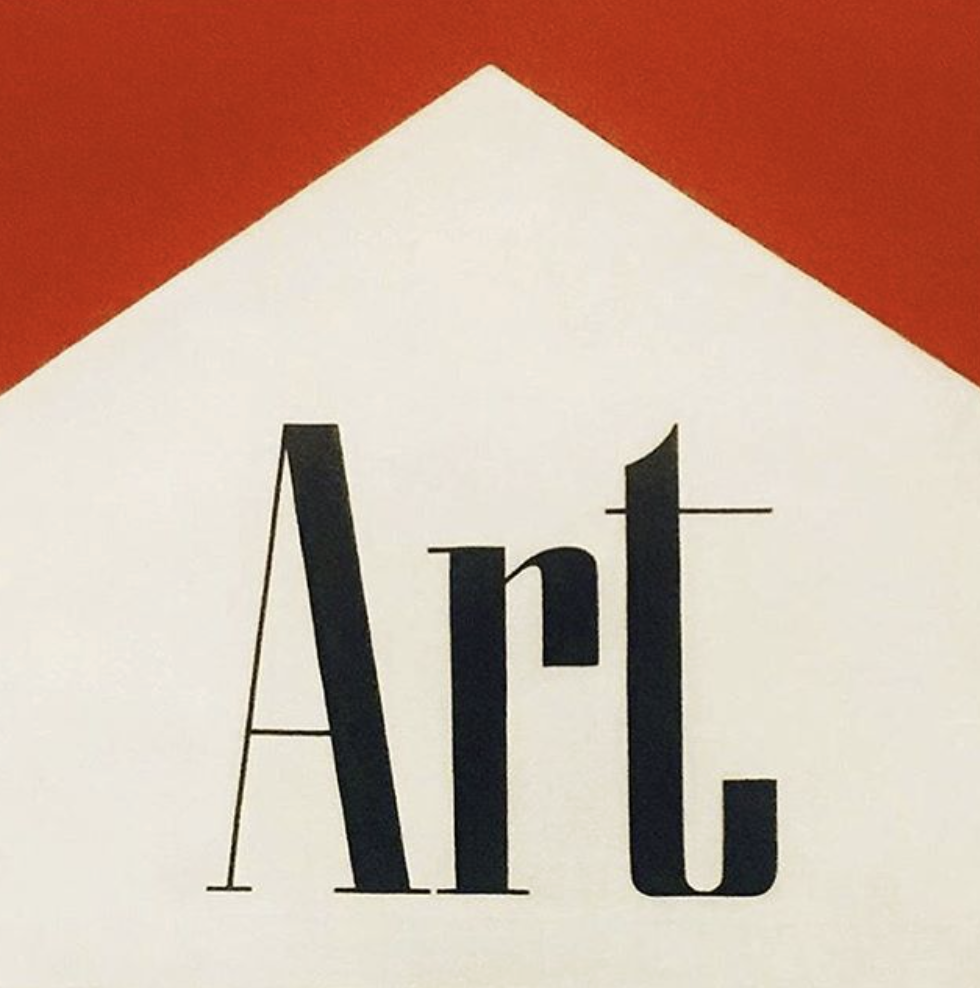
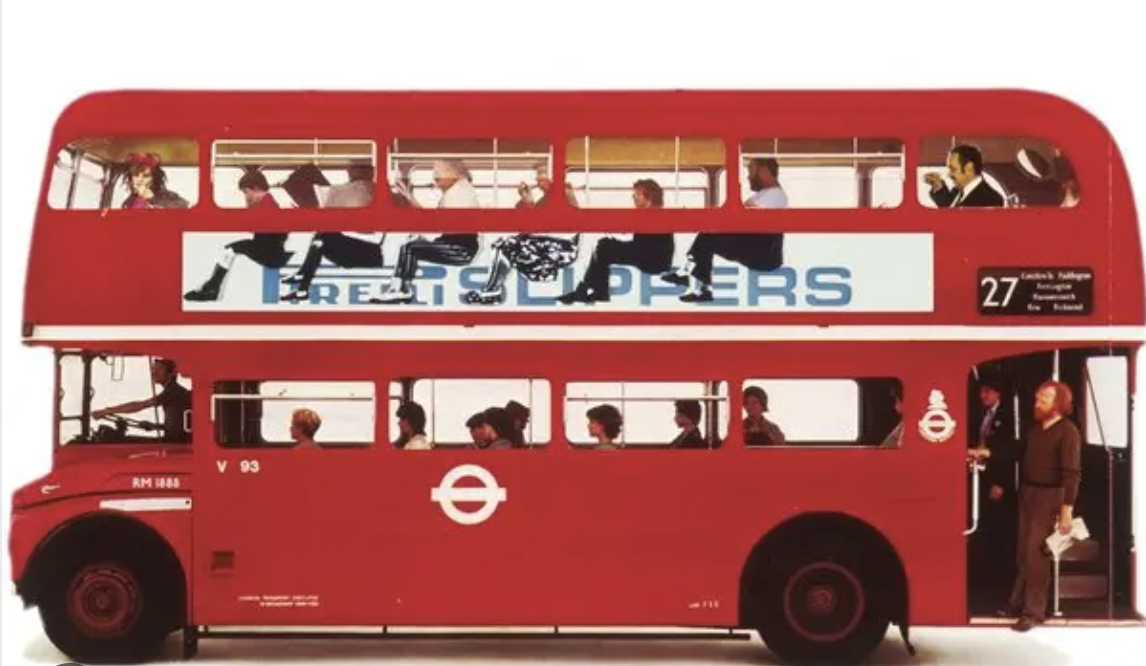
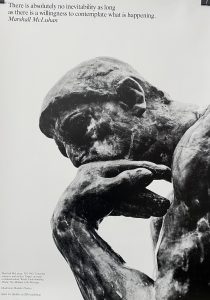
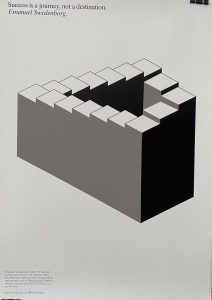
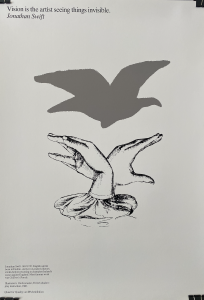
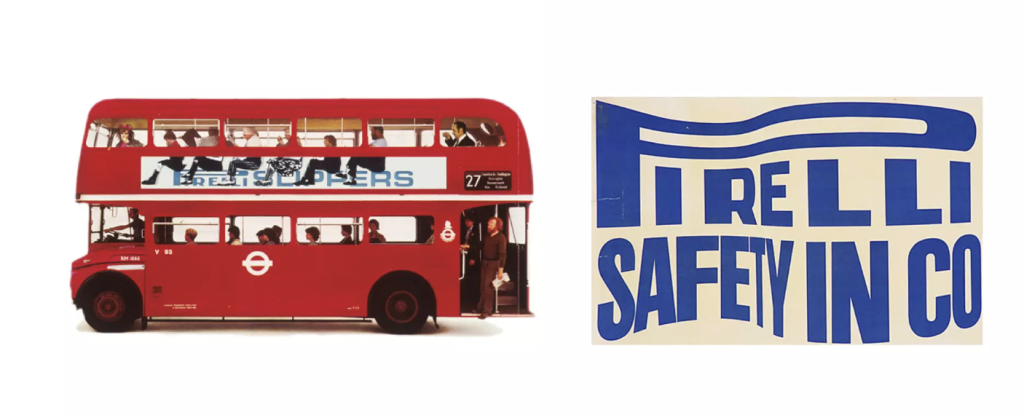 “I try to solve their problems, but in solving their problems take an opportunity to find that extra twist that adds the magic.” The art posters he did for IBM are a good example of this. IBM asked him to design a placard for their new Paris headquarters, which said a painting would shortly arrive for the space on the wall occupied by the placard. In response he produced a series of posters interpreting the word “art” as defined by an author or artist, and added the line, ‘Quest for Quality: an IBM exhibition’ along the bottom of each poster. The artwork image for each poster was thoughtfully interpreted by Fletcher and in turn reflected his keen eye and sense of humour. Keeping each poster in greyscale and black and white unified the series thematically, each poster telling a unique story. By incorporating quotes by well-known figures such as F Scott Fitzgerald and Confucius to J.F. Kennedy, the posters remain universal as well as personal.