News

  • Celebrating Melbourne Design Week with Vintage Posters

    Celebrating Melbourne Design Week with Vintage Posters

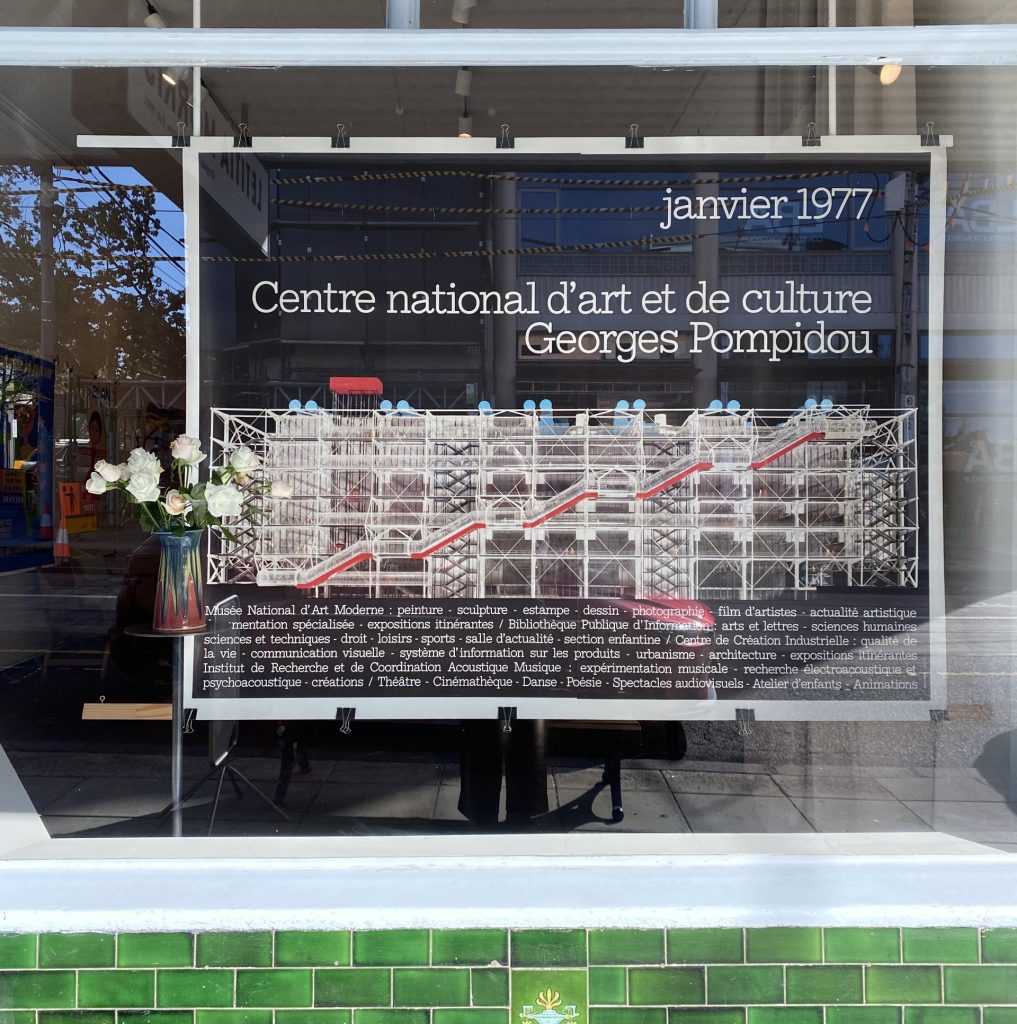
    ‘Georges Pompidou’ Jean Widmer

    “Widmer claimed a practice of basic design, grounded in reduction, coherence, and legibility. Every form, every colour, every proportion carried meaning.”

    – Centre Pompidou

    To celebrate design week in Melbourne, Letitia Morris Gallery have shortlisted our favourite graphic design posters which capture minimalism, colour and typography of the 60s & 70’s

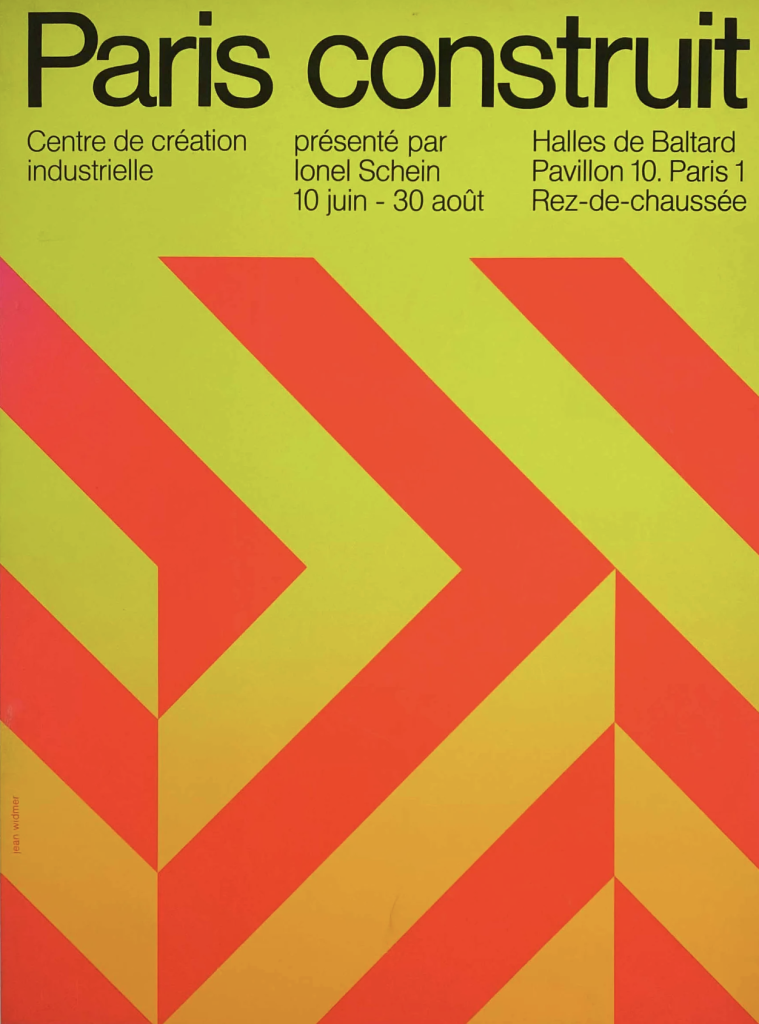
    ‘Paris Construit’ – Jean Widmer

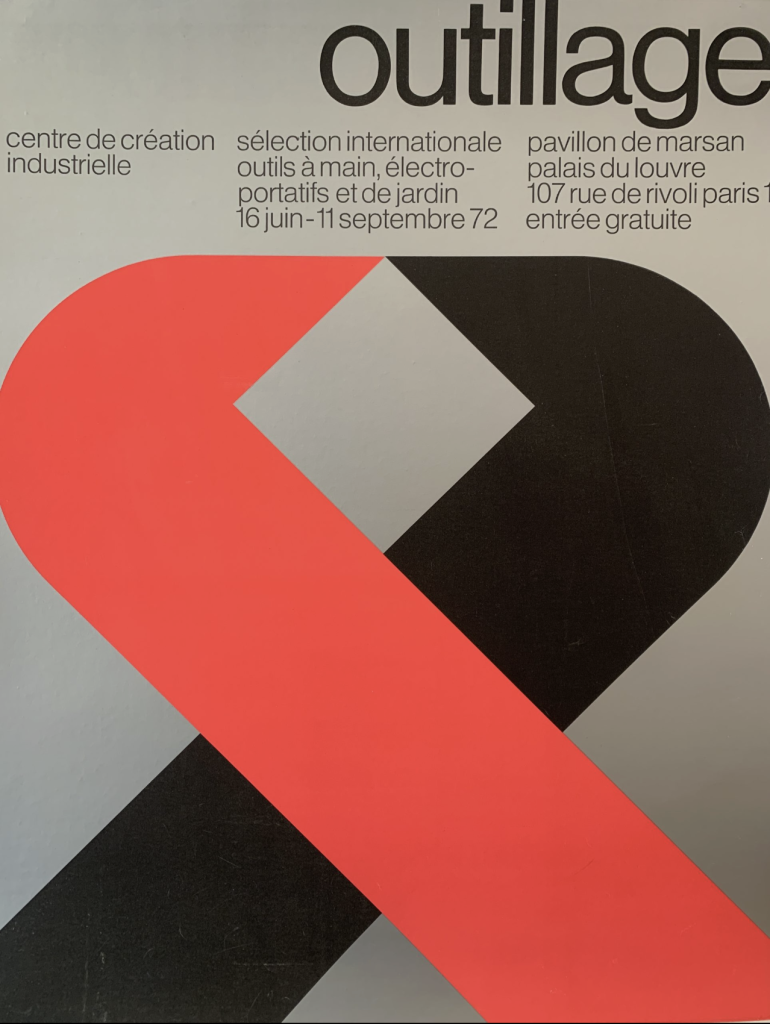
    For Jean Widmer, functionalism took precedence over decoration, characterised by reductive design and very simple forms. Born in 1929, Jean Widmer was a graphic designer based in Paris.  Jean Widmer was a French graphic designer celebrated for bringing clarity, structure, and modernist principles to visual communication in France during the second half of the twentieth century. Influenced by Swiss typography and minimalist design, Widmer became known for his clean use of grids, bold symbols, and strong visual identities, particularly in cultural and public institutions. His work often balanced simplicity with poetic visual impact, helping to modernise French graphic design through projects such as museum identities, posters, and national signage systems.

    Jean Widmer

    After World War II, designers in Switzerland and Germany pushed design into a cohesive movement called Swiss Design, or the International Typographic Style. These designers sought a neutral and objective approach; one that emphasised the subject by simplifying the images to a motif or simply a combination of colours. They constructed modular grids of horizontal and vertical lines and used them as a structure to emphasise elements in their designs. These designers preferred photography (another technical advance that drove the development of graphic design) as a source for imagery because of its machine-made precision. They created asymmetrical layouts, and they embraced the prewar designers’ preference for sans-serif typefaces. The elemental forms of the style possessed harmony and clarity.

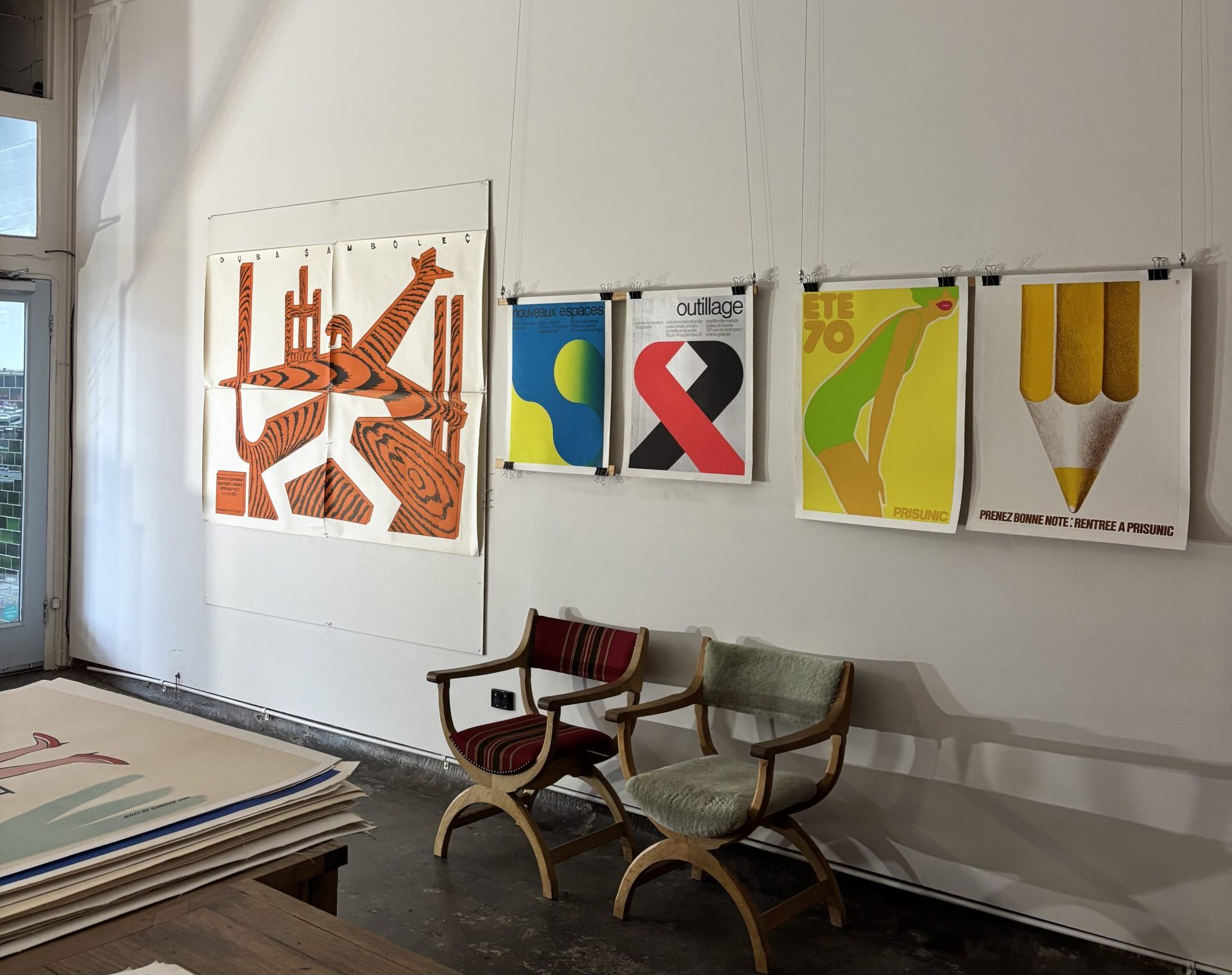
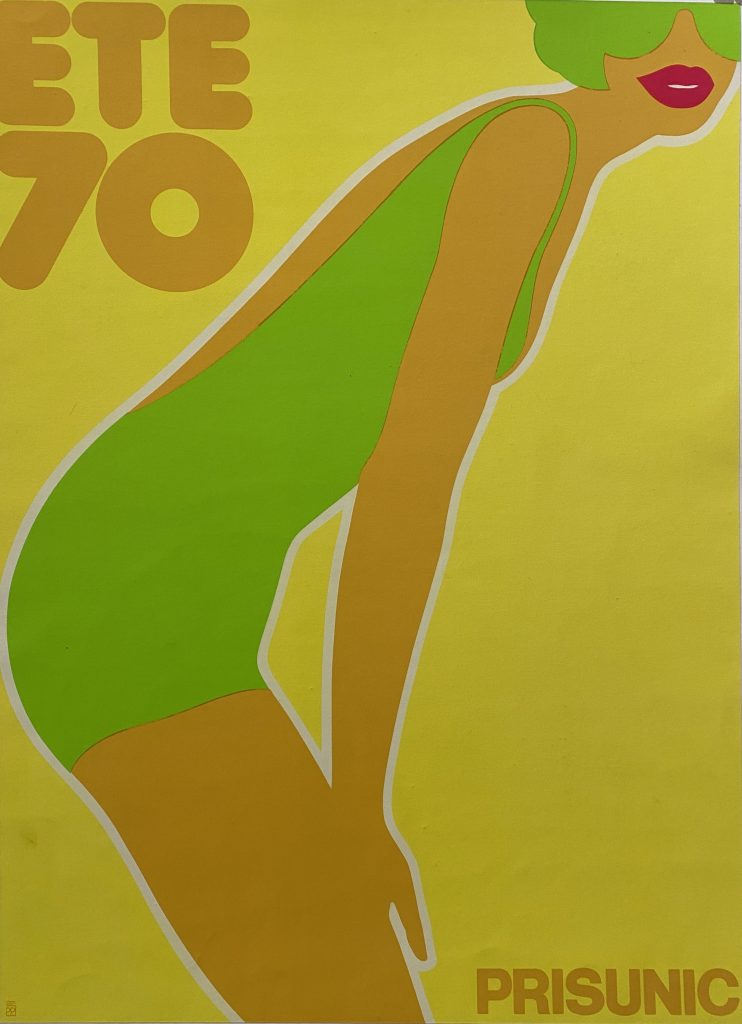
    ‘PRISUNIC ETE 70’ by Friedemann Hauss 1970

    Friedemann Hauss was born in Germany and settled in Paris in 1967 after studying graphic art in Basel, Switzerland. Prisunic was a department store in Paris, and here we see “Summer 70”, a poster to advertise summer wear, 1970, which was exhibited in the street and in the subway. This poster received the prize for the most beautiful poster 1970.


  • Spotlight on Boris Bucan

    Boris Bucan

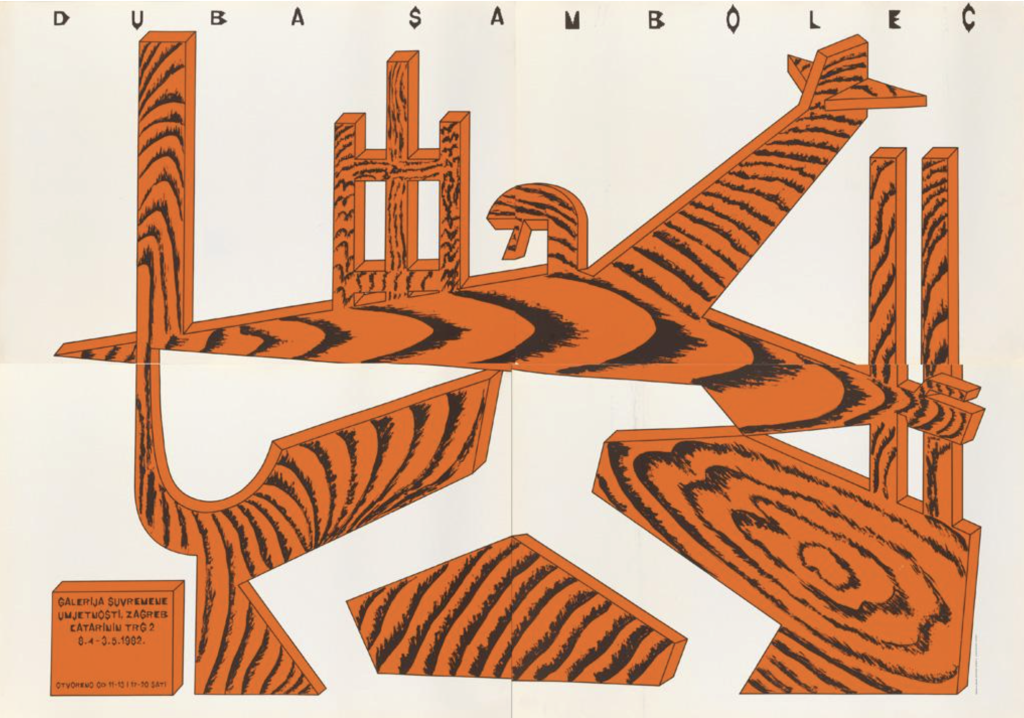
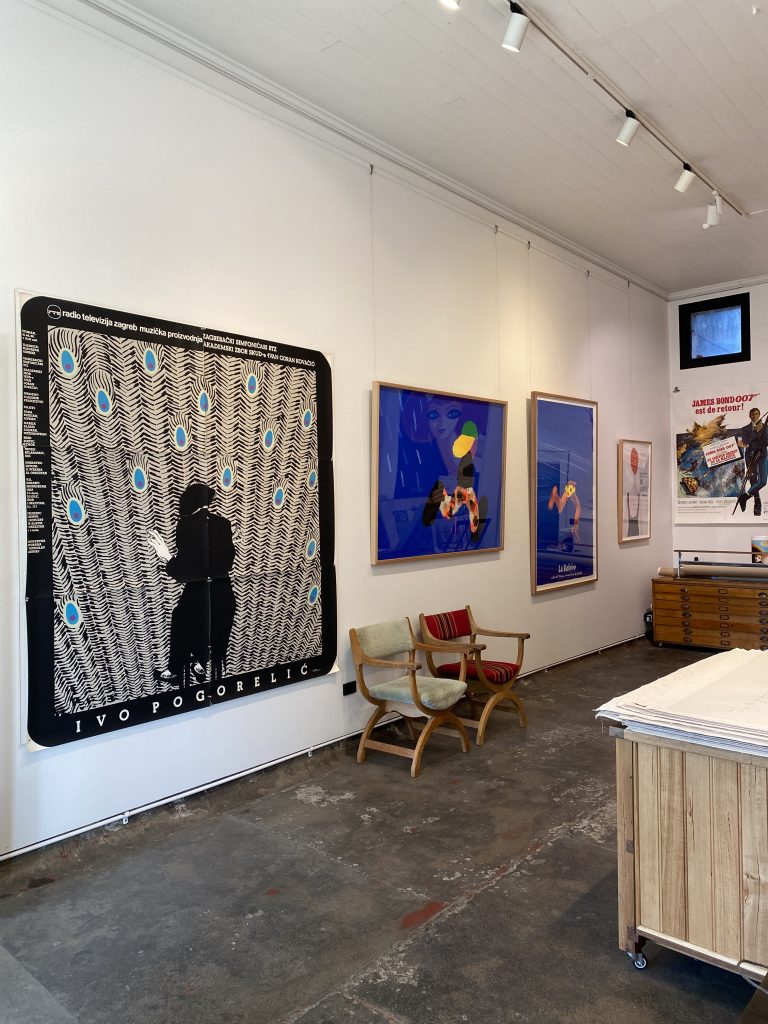
    Boris Bucan is one of Croatias most respected and highly regarded artists. His works offer the viewer an opportunity to experience a true master of poster art; often incorporating surrealist elements in his work, Bucan often uses colour and psychedelic patterning to attached the viewers attention.

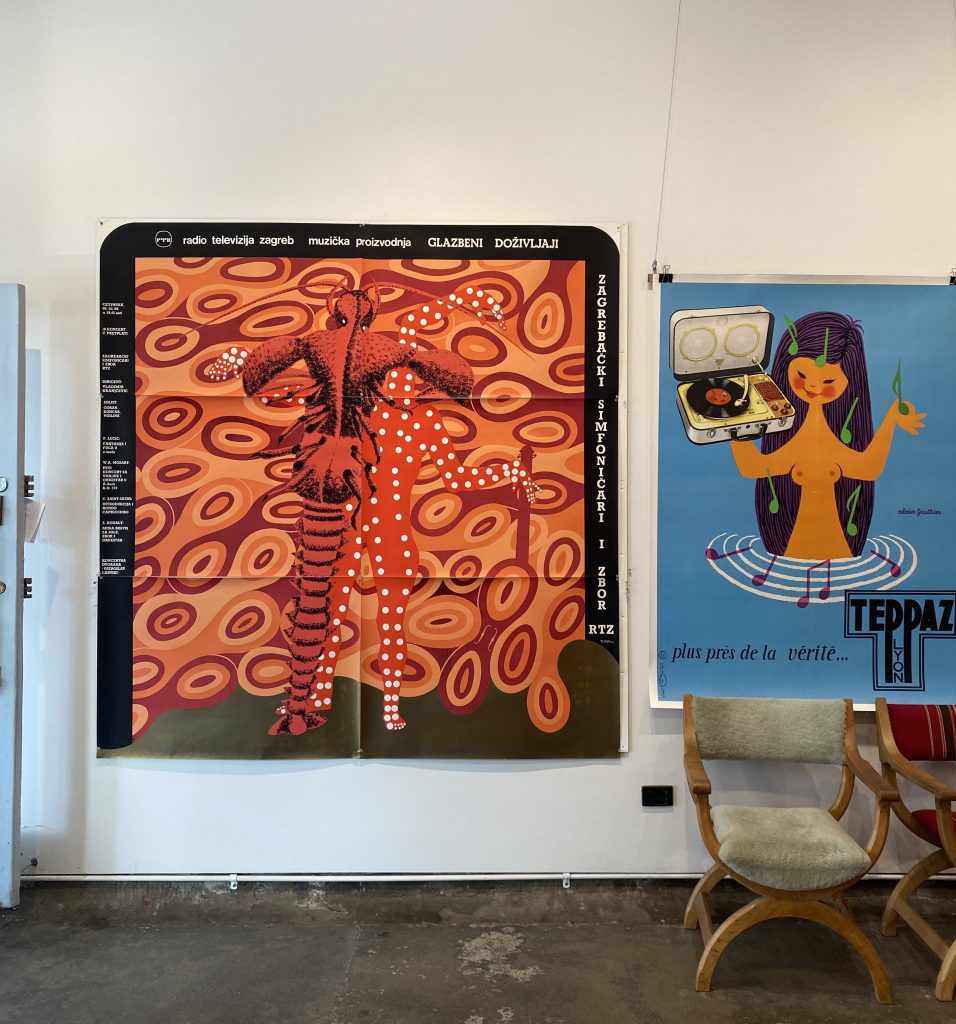
    Born in 1947 Zagreb, Croatia, Bucan studied art, finally graduating in painting in 1972. During his study at the Academy of Plastic Arts, Bucan was introduced to the new art making technique of using photography, Polaroids, photocopies, film, video and graphic design. This new way of making art saw the shift from showing art in gallery spaces and instead gravitating towards public space as an act of resistance against the institutional infrastructure. Bucan first rose to prominence in Zagreb in the last 1960’s for his public art installations. Along with painting, Bucan maintained a prolific career as a graphic designer. This influence can be seen throughout his posters, especially in the posters Bucan designed for galleries, theatre, the Croatian Radio and Television, and National Theatre. This resulted in Bucan representing Yugoslavia at the Venice Biennale with a series of theatre posters.

    His works, often big and bold, is the sticking result of pushing the boundaries of what poster art and graphic design can be. Incorporating elements such as metallic gold, text which wraps around the edges of the poster and and contrasting colours, creates truly original and eye-catching posters. Letitia Morris Gallery has some of the most well known and sought after posters by Bucan. View our entire range here:

    View our entire range here:  Boris Bucan 


  • Alan Fletcher & IBM

    Alan Fletcher

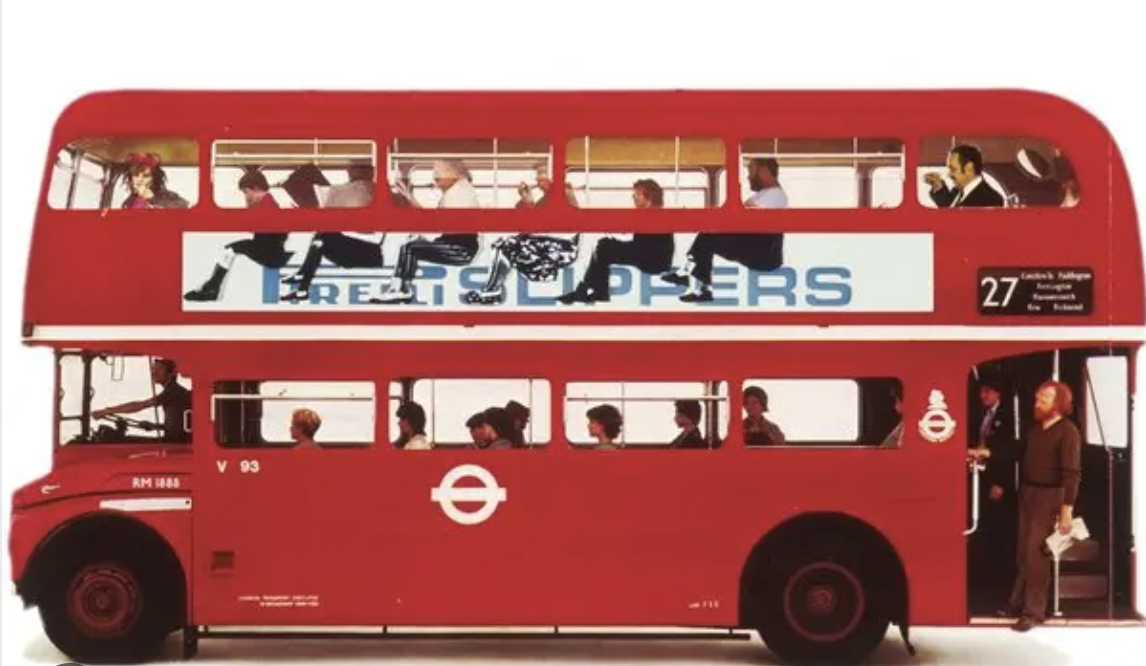
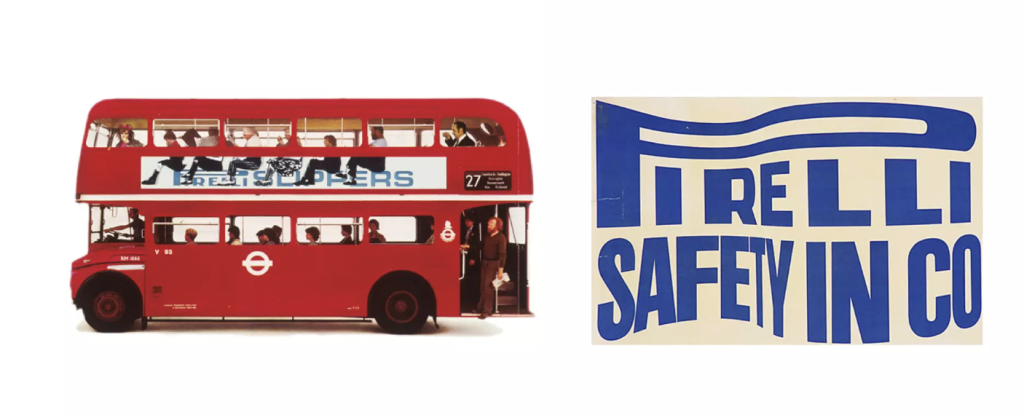
    Alan Fletcher was one of the most important and most influential graphic designers to come out of Britain in the early 1960’s. His famous design for Pirelli would go on to revolutionise the British graphic design industry.

    Fletcher was born in Kenya in 1931 to a British family but moved to London at an early age. His creative talents would soon earn him a scholarship to Yale in America, where he was heavily influenced by American art and culture. After returning to London in 1960, Fletcher began consulting for clients like Time, Life, and Pirelli. His unique designs stood out for being totally original and eye-catching.

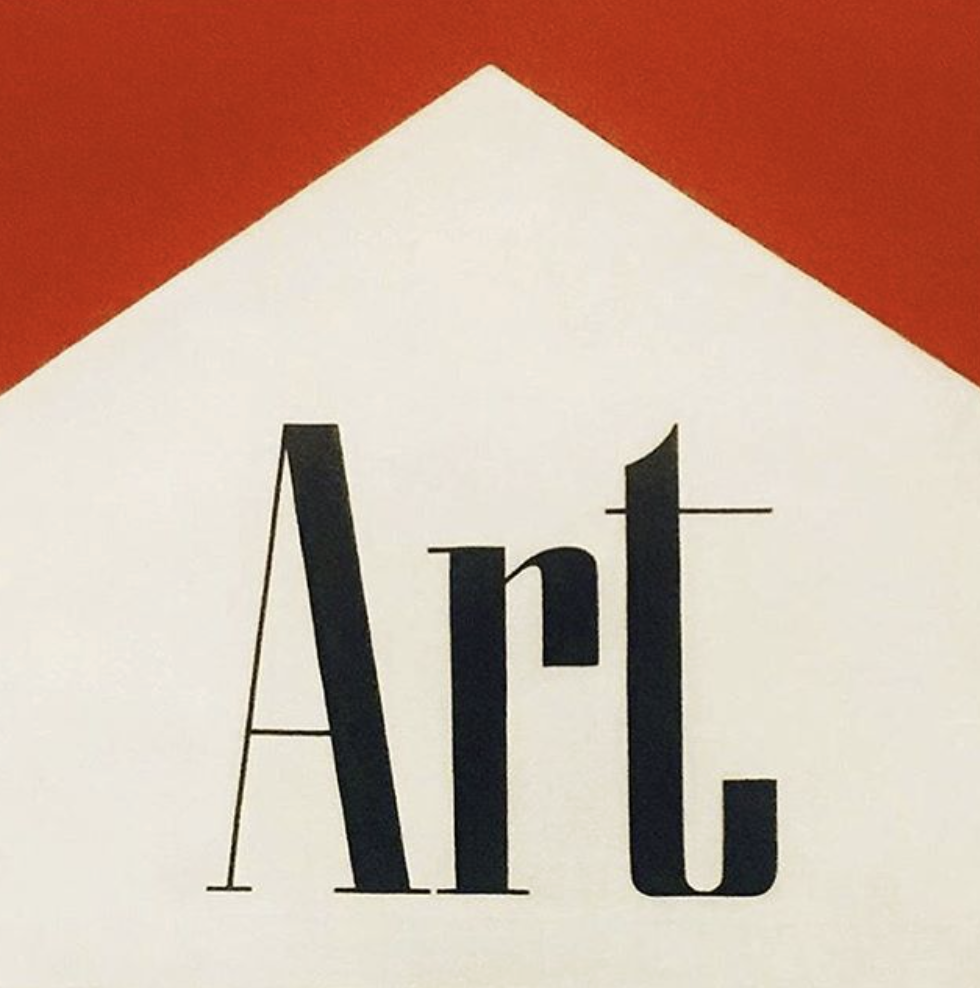
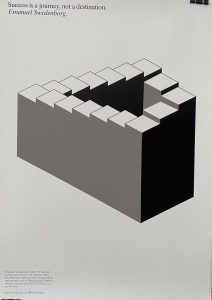
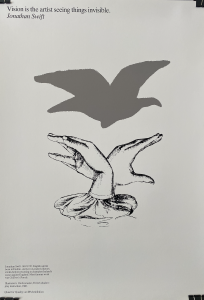
    “I try to solve their problems, but in solving their problems take an opportunity to find that extra twist that adds the magic.” The art posters he did for IBM are a good example of this. IBM asked him to design a placard for their new Paris headquarters, which said a painting would shortly arrive for the space on the wall occupied by the placard. In response he produced a series of posters interpreting the word “art” as defined by an author or artist, and added the line, ‘Quest for Quality: an IBM exhibition’ along the bottom of each poster. The artwork image for each poster was thoughtfully interpreted by Fletcher and in turn reflected his keen eye and sense of humour. Keeping each poster in greyscale and black and white unified the series thematically, each poster telling a unique story. By incorporating quotes by well-known figures such as F Scott Fitzgerald and Confucius to J.F. Kennedy, the posters remain universal as well as personal.
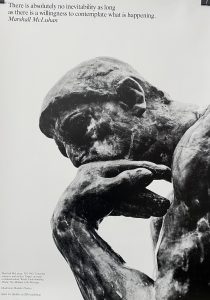
    View and our collection of Alan Fletcher IBM posters here:

    Marshall McLuhan Quest for Quality: an IBM exhibition - Alan Fletcher

    Marshall McLuhan Quest for Quality: an IBM exhibition – Alan Fletcher

    Emanuel Swedenborg Quest for Quality: an IBM exhibition - Alan Fletcher

    Emanuel Swedenborg Quest for Quality: an IBM exhibition – Alan Fletcher

    Jonathan Swift Quest for Quality: an IBM exhibition

    Jonathan Swift Quest for Quality: an IBM exhibition


  • Villemot Maquette

    Villemot Maquette

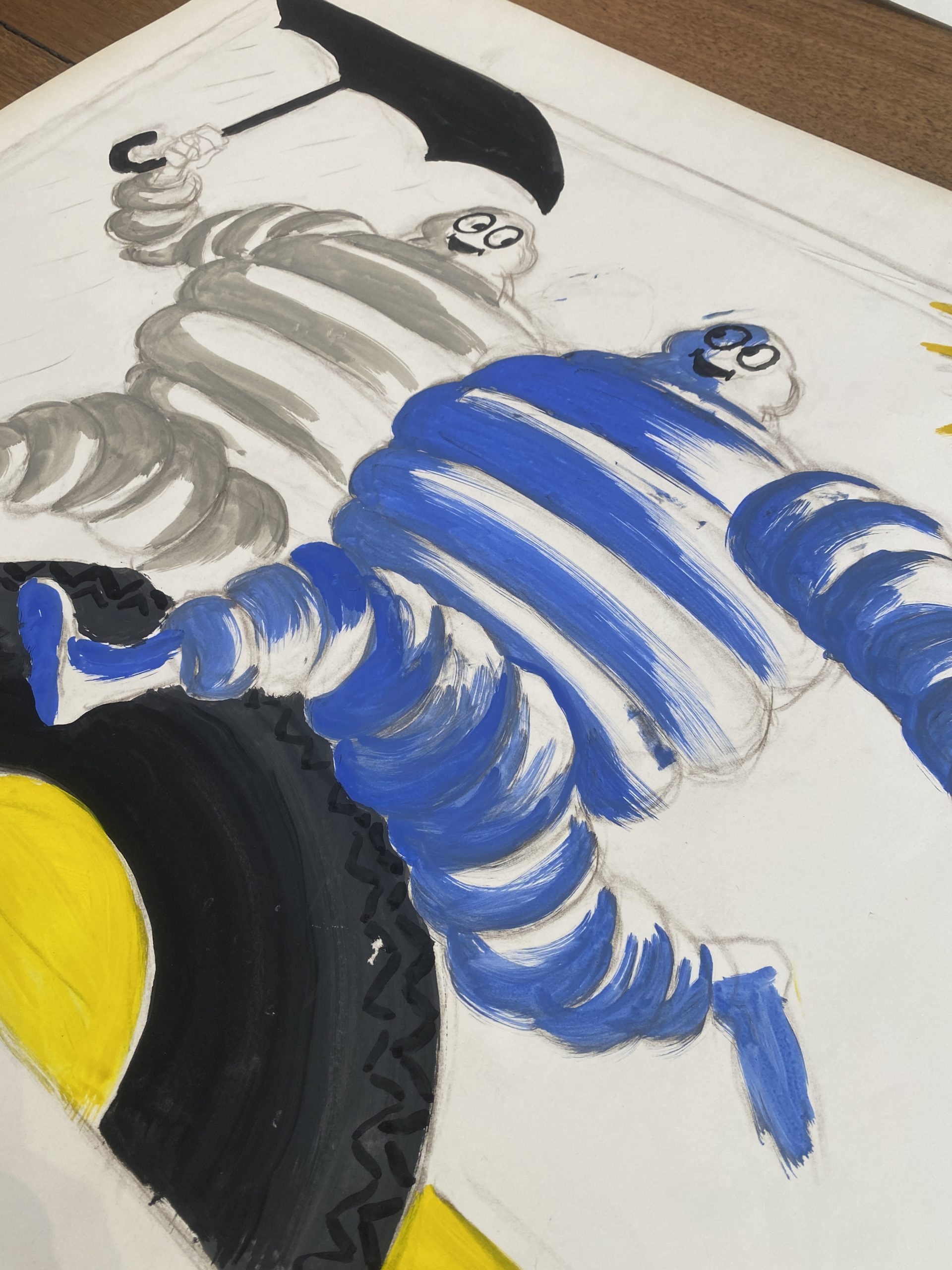
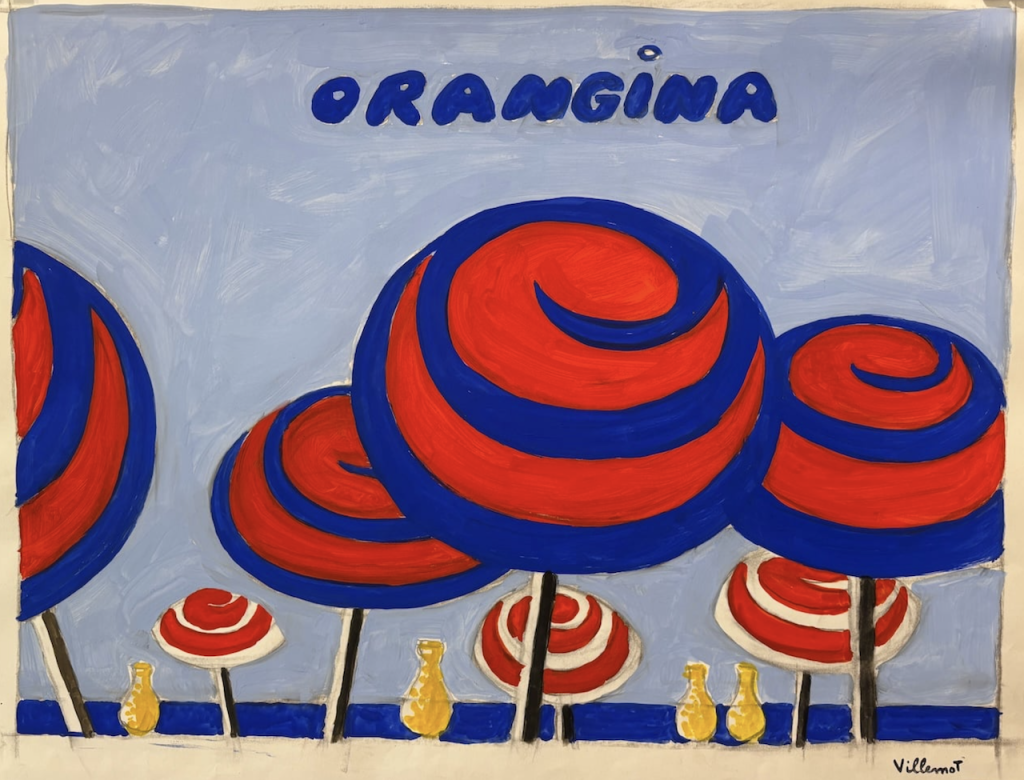
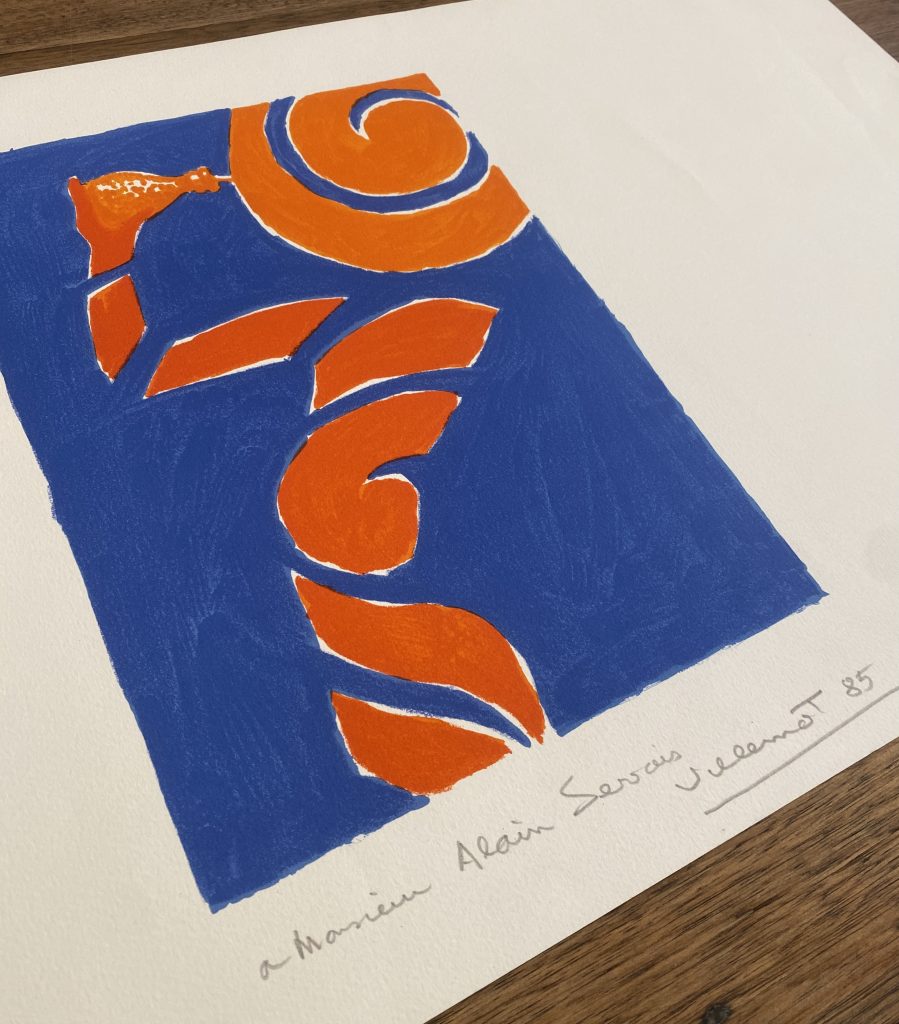
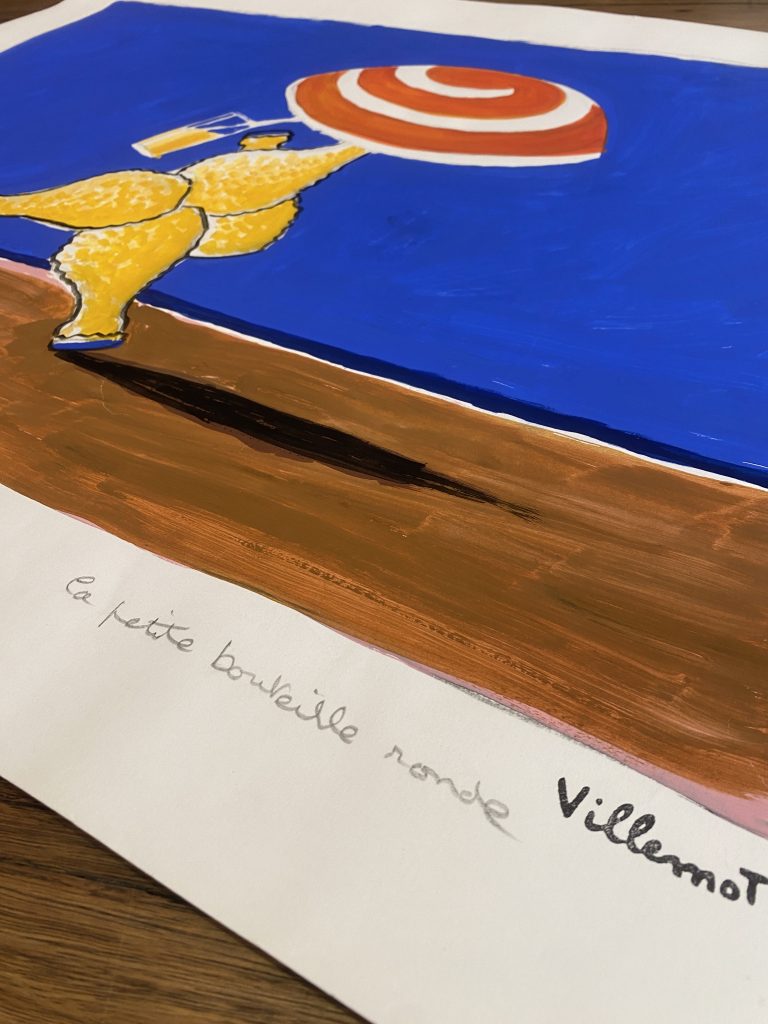
    Maquette is a French word meaning “sketch”, it is generally used to describe a preliminary drawing or designs of artworks or an artist concepts. Maquettes are generally intended to serve as rough models of larger designs. Architects make maquettes of their buildings, and sculptors often create maquettes in wax or clay to help them realise the final sculpture.

    In these maquettes by Villemot, we can see ideas forming around shape, colour, theme and design which are used in in his later finished works. These original gouache works are a a unique insight into the working mind of the artist. These works are in the not only rare but they offer a ‘behind the scenes’ look into some of the most well-known advertisements by Villemot known worldwide.

    Maquette is a French word meaning “sketch”, it is generally used to describe a preliminary drawing or designs of artworks or an artist concepts. Maquettes are generally intended to serve as rough models of larger designs. Architects make maquettes of their buildings, and sculptors often create maquettes in wax or clay to help them realise the final sculpture. In these maquettes by Villemot, we can see ideas forming around shape, colour, theme and design which are used in in his later finished works. These original gouache works are a a unique insight into the working mind of the artist. These works are in the not only rare but they offer a ‘behind the scenes’ look into some of the most well-known advertisements by Villemot known worldwide.

  • Keith Haring ‘Dolce Vita’

    Keith Haring ‘Dolce Vita’

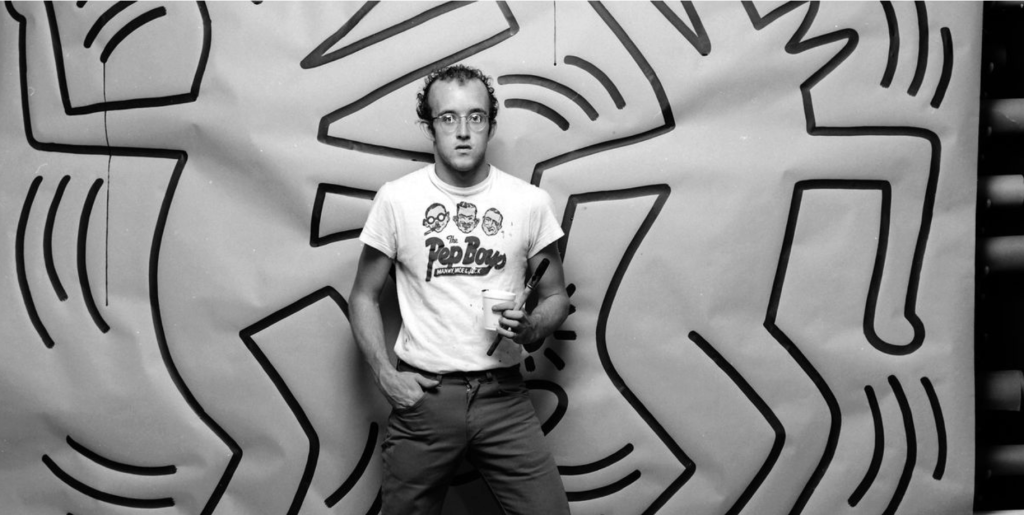
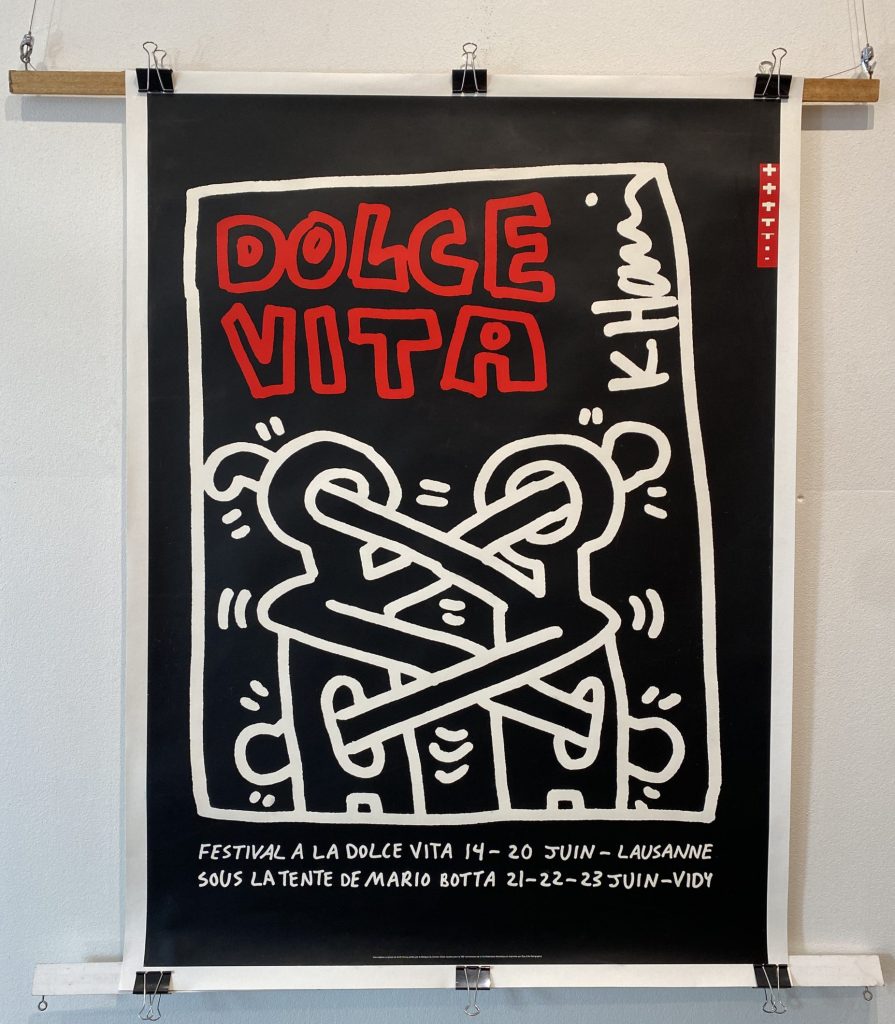
    Keith Haring was an American artist best known for his street art and graffiti on the streets of New York in the 1980’s. Haring was a prominent figure in raising awareness to the AIDS epidemic and promoting safe sex education in the form of murals and posters. He was also instrumental in anti- drug campaigns by using his iconic imagery of faceless figures. Haring used rounded, curved patterning which made his designs seem non-authoritarian, friendly and educational. Many people often turned to Haring’s artwork for a sense of belonging and gay pride during heightened tensions around AIDS in the media.

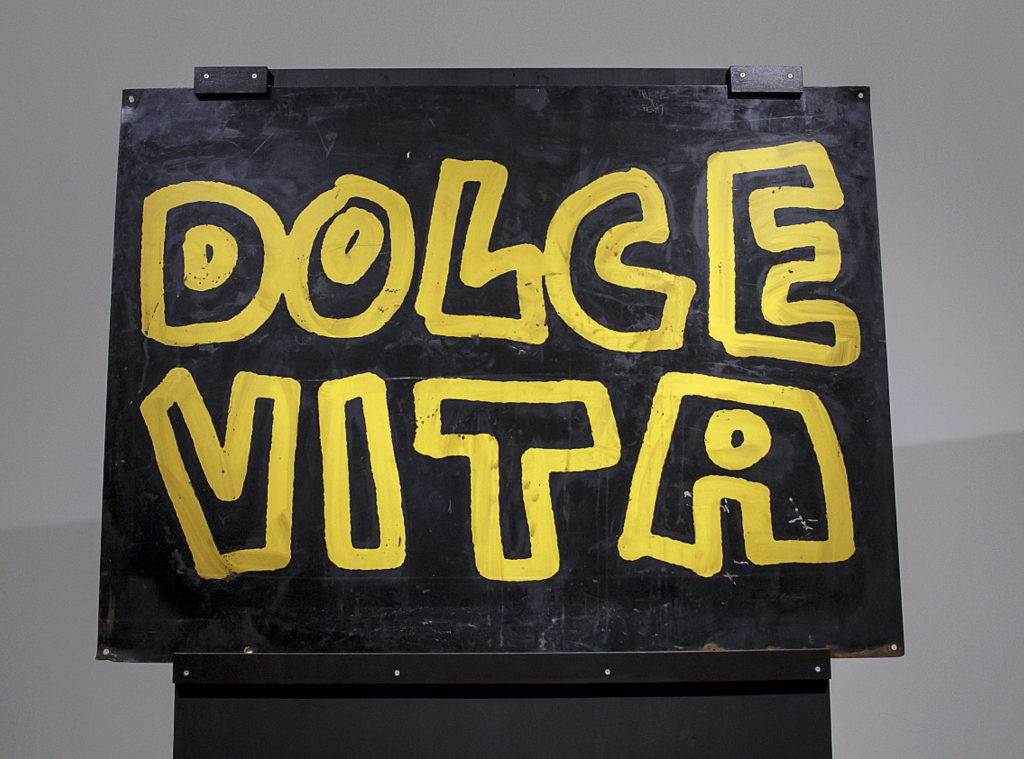
    Haring created the design for the Dolce Vita nightclub in Switzerland, which was an alternative youth centre located in a former depot of a transport service. Dolce Vita was Lausanne’s rock-and-roll version of Studio 54. Dolce Vita in the 1980’s was one of the most popular clubs in Switzerland. The club culture was intrinsically linked to Harings’ work. His dancing figures and music notes often appearing in his designs. To capture the vibe of the place, Haring conjured these two wrestlers whose limbs create an abstract geometric form. The owners of the venue loved the design that they adopted his text as their official sign before closing in 1999.

  • Lichtenstein Moma 1989 Exhibition ‘I’d rather drown’

    Lichtenstein MoMa 1989 Exhibition ‘I’d rather drown’

    Lichtenstein Id Rather Drown MOMA poster original

    Lichtenstein Id Rather Drown MOMA poster original

    The “I’d Rather Drown” poster for MoMA is based on Roy Lichtenstein’s 1963 painting Drowning Girl, one of the most iconic works of Pop Art. The original painting, held in the Museum of Modern Art’s collection, depicts a woman submerged in turbulent water with the dramatic thought bubble, “I don’t care! I’d rather sink—than call Brad for help!” Inspired by romance comic book art, Lichtenstein used bold outlines, flat colors, and Ben-Day dots to mimic mass-produced printing while transforming it into high art. The MoMA poster, produced in the 1980s for a Lichtenstein retrospective, captures this powerful image and has become a sought-after collector’s piece. Often titled “I’d Rather Drown” after the painting’s dialogue, the poster embodies Lichtenstein’s witty commentary on love, drama, and the emotional depth hidden in pop culture imagery.


  • Peské’s L’Estampe et l’Affiche (1898)

    L’estampe et L’affiche 1898

    L'estampe et L'affiche Original Vintage Poster

    L’estampe et L’affiche Original Vintage Poster

    Jean Peské’s L’Estampe et l’Affiche (1898) is a stunning Art Nouveau lithographic poster created to promote the Parisian journal devoted to prints and posters. It depicts two women in vivid red and blue dresses gazing over a calm seaside landscape — a perfect harmony of colour, line, and elegance. Blending fine art and graphic design, Peské’s work captures the Belle Époque spirit and the era’s fascination with beauty in everyday art. Today, it’s celebrated as one of the most refined and collectible posters of its time.

    L'estampe et L'affiche Original Vintage Poster

    L’estampe et L’affiche Original Vintage Poster


  • Spotlight on Rene Gruau

    Rene Gruau

    Lido C’est Magnifique! Original Vintage Poster

    Born in Italy in 1909, Rene Gruau showed an interest in fashion and design from an early age. He published his first drawings at the age of 14, and by 18 his designs were printed in publications in Italy, England and Germany.

    In 1947, Gruau began working closely with Christian Dior, a name synonymous with sophistication and glamour.  The following year, Gruau travelled to the United States to work for Harper’s Bazar and Vogue. His unique and recognisable designs soon became known world-wide. His unforgettable posters advertising the Moulin Rouge and Lido show the breadth of Gruau’s drawing ability to capture movement, seductiveness and elegance. Adding to the list of brands Gruau designed for is Chanel, Givenchy, and Balenciaga. His timeless illustrations epitomise the fashion world in which Gruau surrounded himself in.

    Since his death in 2004, the posters and original designs Gruau produced for brands like Blizzand and Bemberg are now collectors items, illuminating his genius. Gruau is renowned for his contributions to fashion and advertising over the decades.


  • Jean-Paul Goude

    Jean-Paul Goude


    Jean-Paul Goude is a French photographer, art director, and illustrator. He is known for his diverse work which includes advertising, graphic design, and advertising film director. Jean-Paul Goude worked as an art director at Esquire magazine in New York during the 1970’s. In the early 1980’s Goude worked closely with American model-turned-pop-star, Grace Jones. Together they helped shaped  Grace Jones’ into an American icon. They created two of her most celebrated album covers, ‘Island Life’ and ‘Nightclubbing’.’

    Nightclubbing‘ has been widely regarded as one of the most iconic album of all time.

    View and purchase GRACE JONES/NIGHTCLUBBING contemporary edition here! 

    Goude’s work is multi-faceted and includes many different styles and techniques, he adapts his aesthetics for each brand or personality he works with. Goude has contributed imagery to brands such as Chanel, Kenzo and Galeries Lafayette, among many others. His style is unmistakable, he is one of the most innovative photographers to date.  Goude’s works are in the collection of The Museum of Modern Art in New York. He lives and works in Paris, France.

    View our collection of Galeries Lafayette posters here!

Close