News

  • New Australian Posters

    The Gallery is thrilled to receive four very sought after Australian posters, including three from Gert Sellheim.

    Gert Sellheim is considered one of the most significant graphic artists working during the ‘golden era’ of Australian poster design in the 1930s.
    Artists commissioned by the Australian National Travel Association (ANTA) such as Sellheim, James Northfield, Percy Trompf and Douglas Annand created distinctly modern images of the Australian landscape and city life to promote to the world. Sellheim’s most famous poster, Australia surf club, is one of the works commissioned by ANTA.

    View our full collection of Australian original vintage poster, please click here 

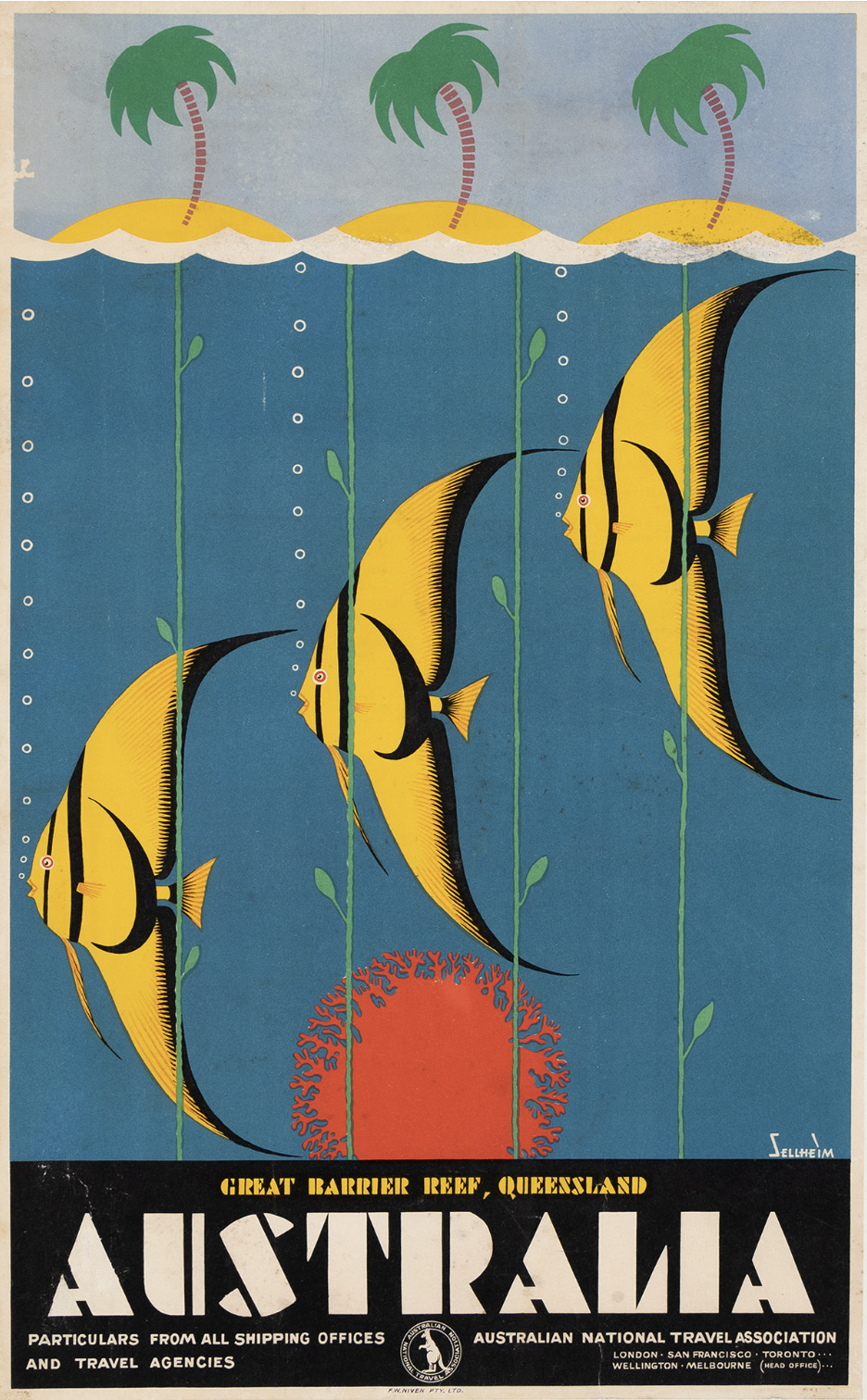
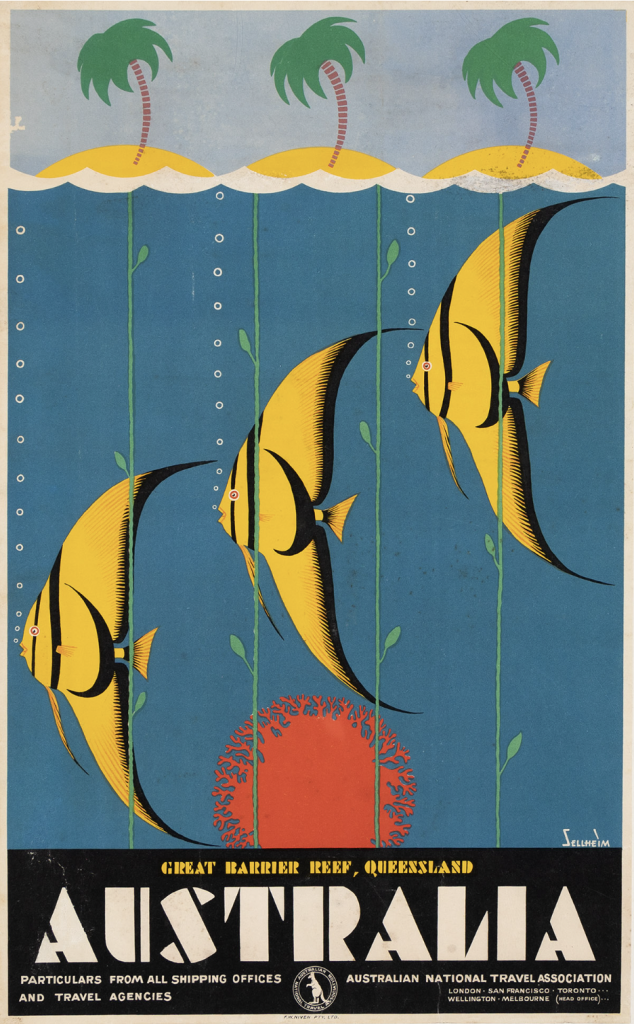
    Australia Great Barrier Reef Queensland Original Vintage Poster

    Selling ‘Australia’ to the world, this poster designed by Gert Sellheim depicts the natural wonder of the Great Barrier Reef, in Queensland. This is a rare poster from 1937, and a contemporary design for that period. Gert Sellheim moved to Melbourne in 1930 where he set up his own architectural practice. He soon began to design and exhibition his posters, eventually moving on to design the logo for Qantas airways.

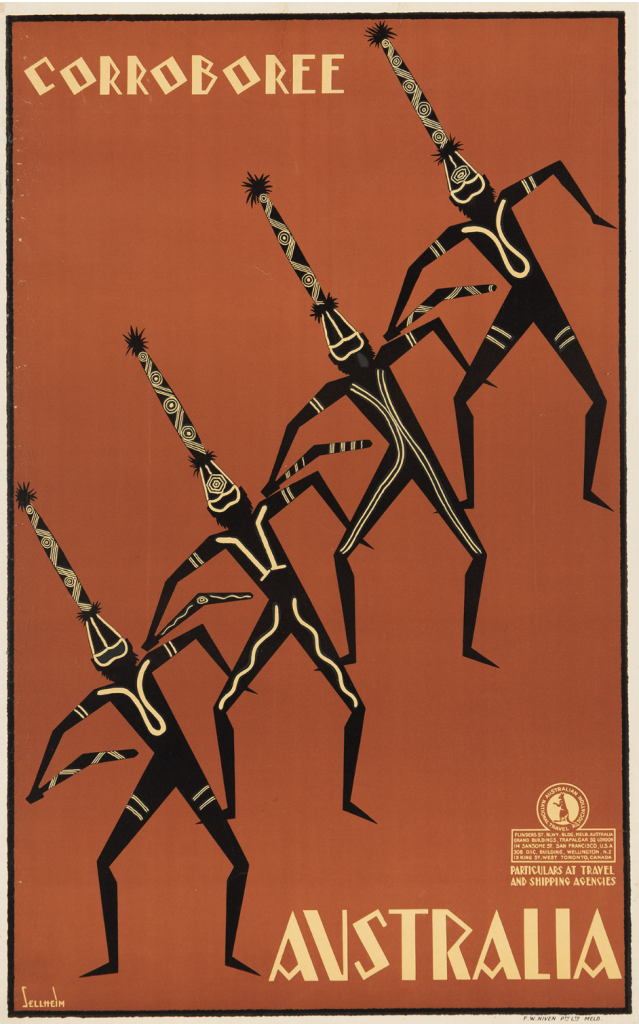
    Corroboree Australia Original Vintage Poster

    In this poster, ‘Corroboree Australia’, Sellheim incorporates and references the art and culture of the Aboriginal people of Australia. The design depicts the Arrente people of Central Australia, wearing painted ceremonial body decorations and headdress. This is a striking and modern design from 1934.

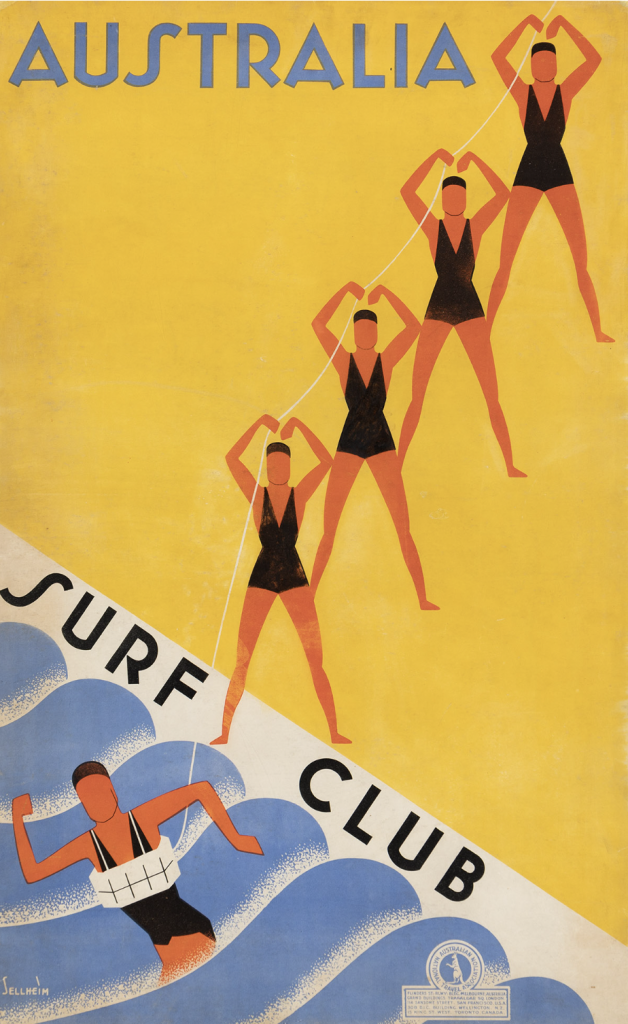
    Australia Surf Club Original Vintage Poster

    Here Gert Sellheim uses an 'Art Deco' typographie and demonstrates a classic life saving rescue exercise. One of his most famous poster design.

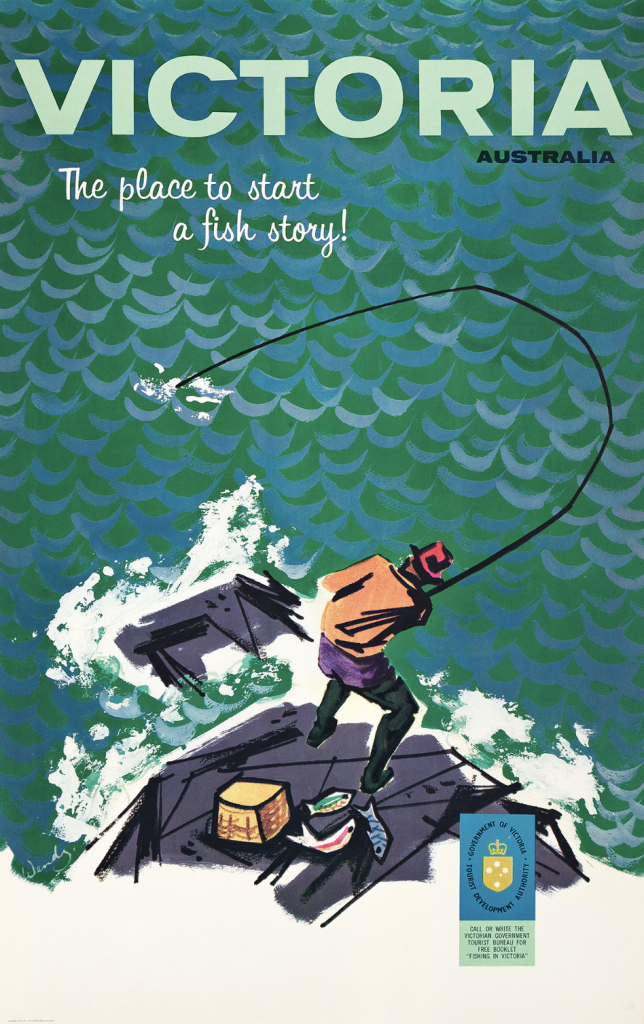
    Victoria Australia Original Vintage Poster

    For the victorian fishermen, this is a vintage poster that is rare to find. VICTORIA "The place to start a fish story!", this is an original poster from the 1950's advertising Victoria as a destination and fishing spot. This poster has been mounted on linen, the condition is excellent.

    View our full collection of Australian original vintage poster, please click here 


  • Prisunic Posters

    View our full collection of Prisunic original vintage poster, please click here 

    Prisunic, the former French retail chain, had used various advertising strategies to promote its products and stores, including the use of posters.

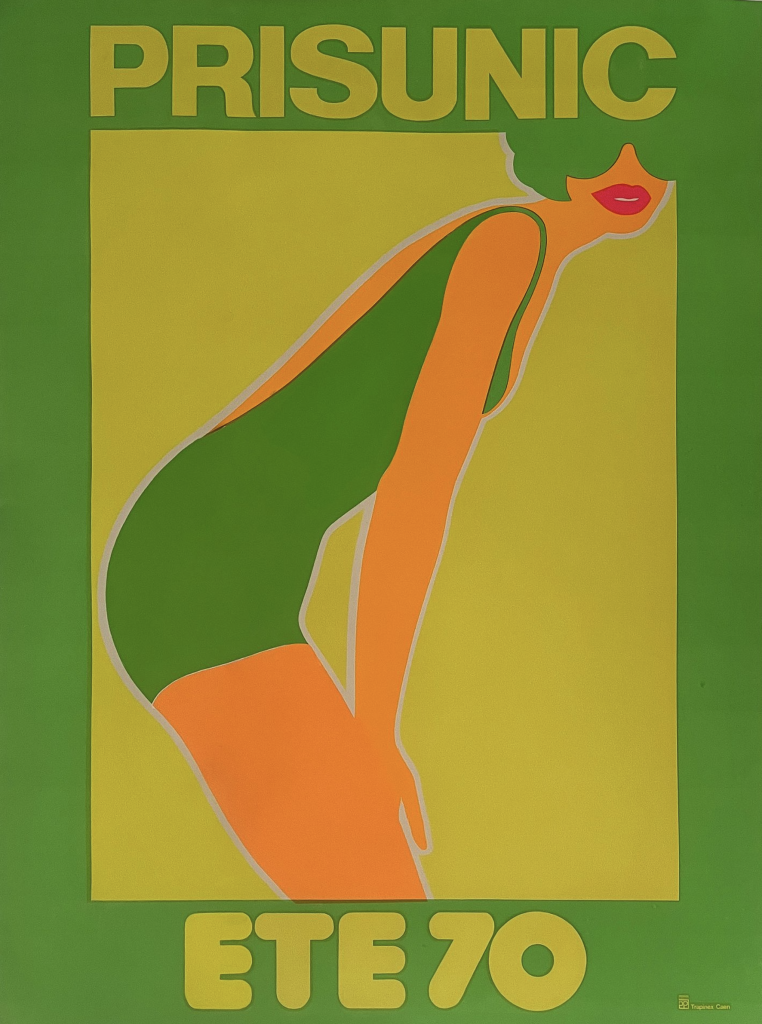
    PRISUNIC Friedemann Hauss Original Vintage Poster

    During its heyday, Prisunic likely employed poster advertising as a common method to attract customers and create brand awareness. These posters would have been strategically displayed in prominent locations, such as in their stores, on billboards, or at other high-traffic areas, to capture the attention of potential shoppers.

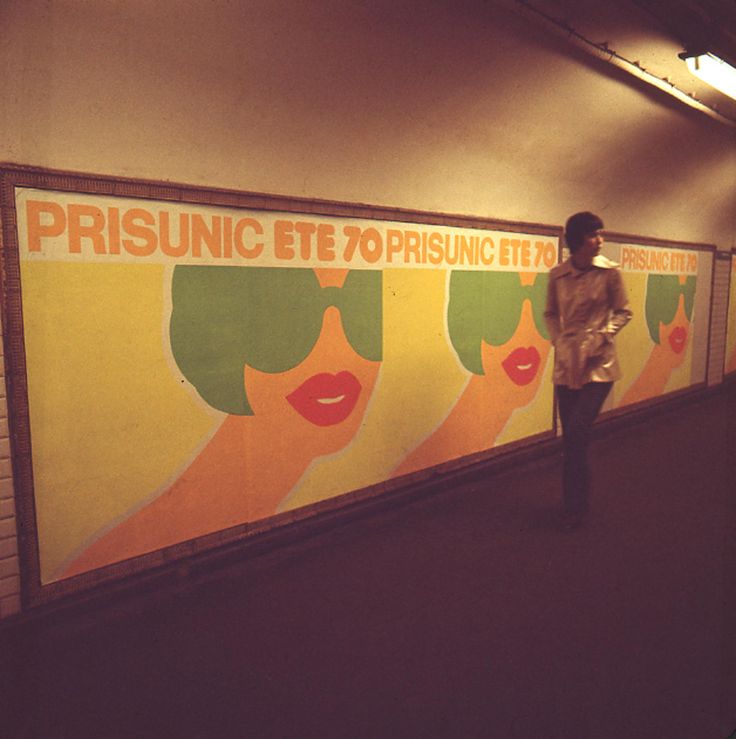
    prisunic posters in metro

    The posters designed to advertise Prisunic would have likely featured visually appealing graphics, vibrant colors, and compelling messages to convey the brand’s offerings and promotions effectively. They may have showcased the variety of products available at Prisunic, highlighted special discounts or sales, or emphasized the store’s unique selling points.
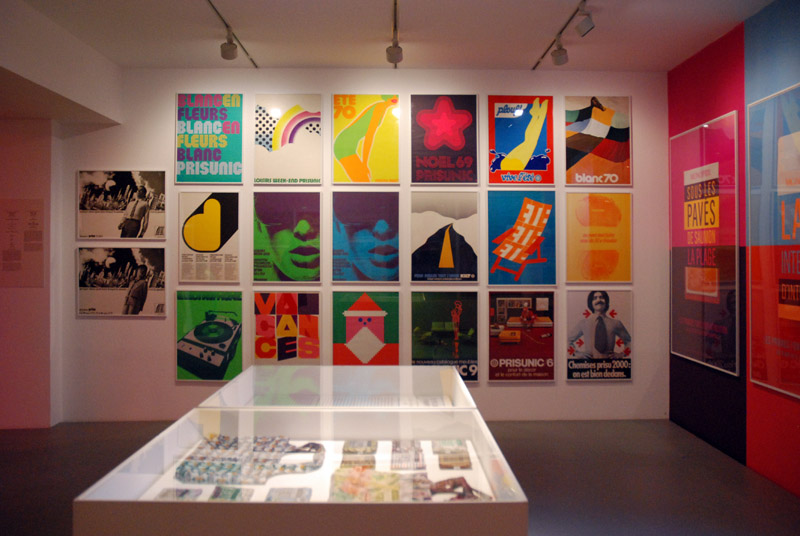
    Prisunic collection posters

    In 2021 the Musée des Arts Décoratifs celebrated the history of design for all through two of the largest retailers of everyday objects that have succeeded in democratizing design: Prisunic then Monoprix. The exhibition “Design for all: from Prisunic to Monoprix, a French adventure” traces in the permanent collections of the museum, through more than 500 works (furniture, objects and advertising posters), this creative and committed adventure, which summarizes the slogan that has become cult: “The beautiful at the price of the ugly”

    View our full collection of Prisunic original vintage poster, please click here 


  • Jean Widmer – Swiss Graphic Artist

    View our full collection of Jean Widmer’s original vintage poster, please click here 

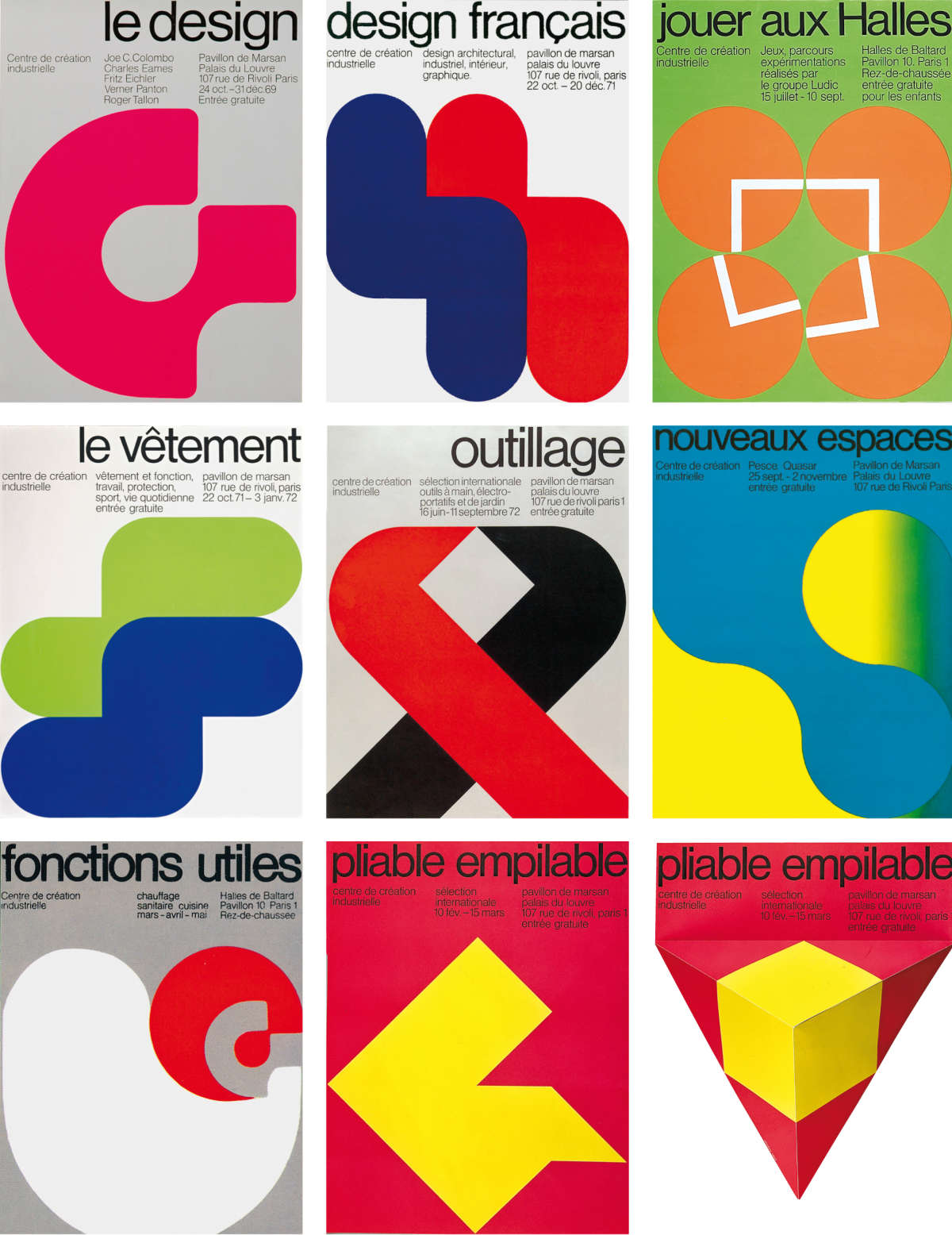
    Jean Widmer (1930-2014) was a Swiss graphic artist who made significant contributions to the field of graphic design. Associated with the influential Swiss design movement, he played a crucial role in shaping Swiss graphic design and typography. Widmer’s work included a wide range of projects such as book covers, posters, corporate identities, and signage systems. His designs were characterized by simplicity, precision, and clarity, reflecting the principles of the Swiss Style. Widmer’s compositions featured clean lines, sans-serif typography, and a sense of balance and order. He was known for his meticulous attention to detail and his ability to create visually harmonious and functional designs. 

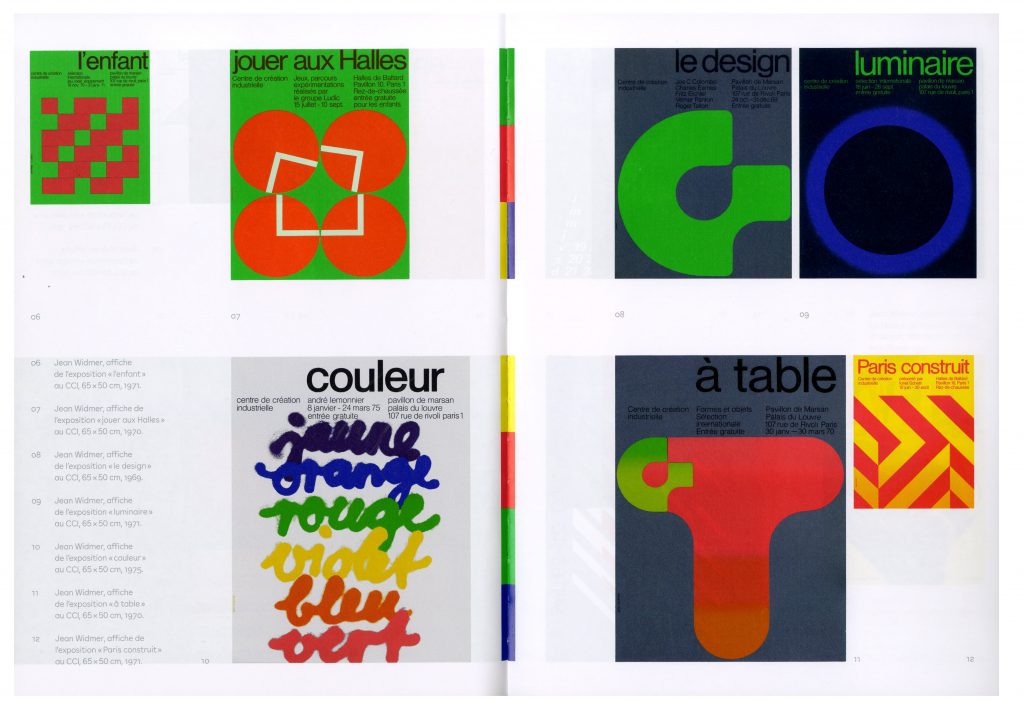
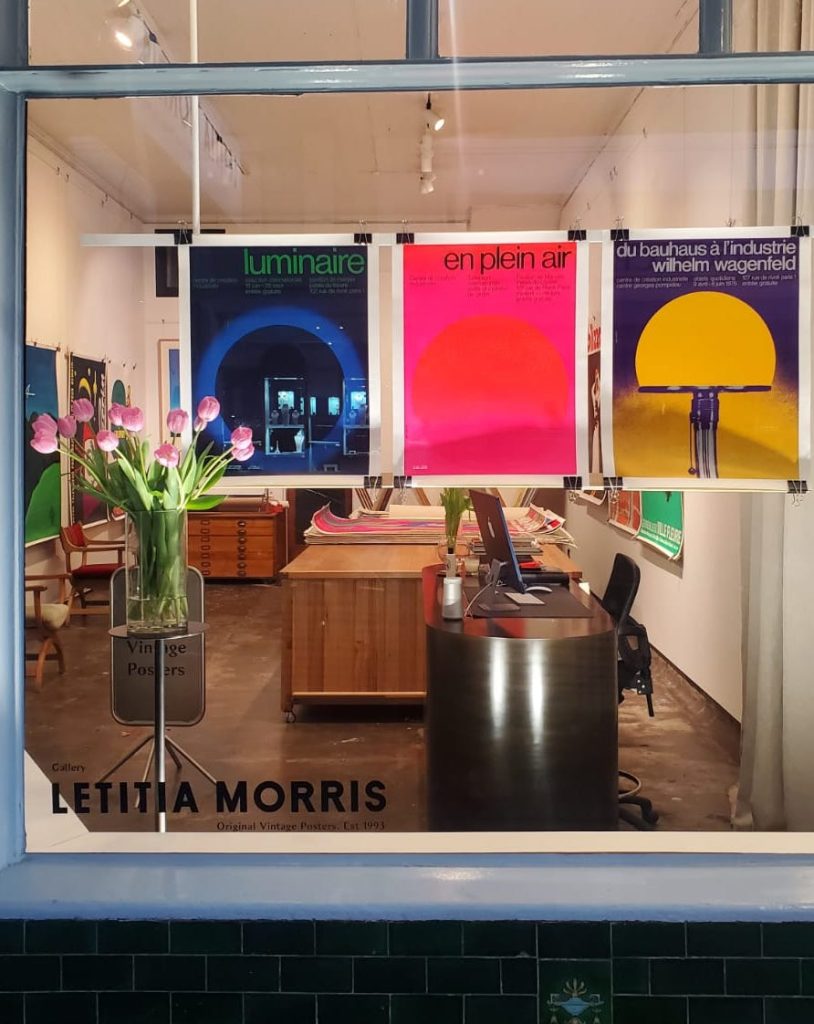
    Jean Widmer created a diverse and noteworthy body of work in the form of posters. His posters were highly regarded for their strong visual impact and effective communication. He also designed the very famous logo for the Center of Pompidou modern museum of art in Paris. Below are 3 of Letitia’s Morris Gallery most recent acquisition of Widmer’s original vintage posters.

    Throughout his career, Widmer designed posters for various clients and events, including cultural institutions, exhibitions, and performances. His posters were characterized by their clarity, visual appeal, and effective communication of information. Widmer’s skillful use of design elements, such as color, typography, and composition, allowed his posters to stand out and make a lasting impression.

    View our full collection of Jean Widmer’s original vintage poster, please click here 


  • Hommage to Boris Bucan

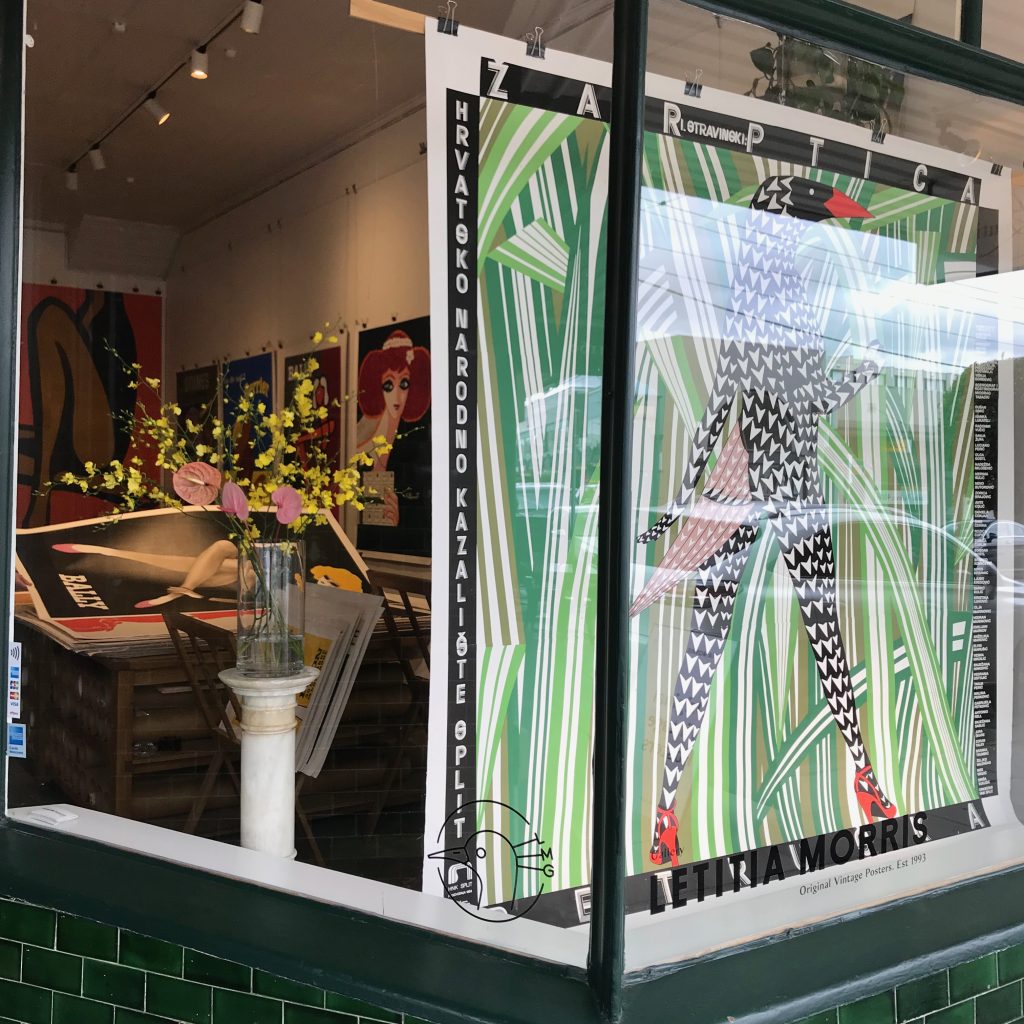
    One of Croatia’s greatest 20th century artists, best known for his 70s-80s billboard posters for the Croatian National Theater, has died aged 77. His most iconic work, held by MoMA, is the poster for a 1982 production of Stravinsky’s Firebird (Petrushka). Letitia Morris Gallery is thankful to have in possession one of the largest collection of his work.

    Bućan’s posters are characterized by vibrant colors, bold shapes, and surreal imagery. He gained recognition for his collaboration with the theatre group “Theatre ITD,” creating posters that captured the essence and themes of their performances through imaginative and symbolic visuals.

    Among his most renowned works is the “Fascinantno” (Fascinating) series, crafted during the 1980s. These posters featured fragmented compositions with vibrant colors, using a collage-like technique that combined animals, body parts, and everyday objects to create captivating and enigmatic designs.

    In addition to his poster designs, Bućan has explored other artistic mediums like painting and sculpture. His artworks have been exhibited in galleries and museums worldwide, and he has received numerous prestigious awards for his contributions to graphic design.

    Boris Bućan’s legacy lies in his ability to inspire and captivate audiences with his visually impactful and innovative designs. His posters continue to leave a lasting impression on the art community, reflecting his artistic ingenuity and unique approach to storytelling through graphic art.

    Bućan’s work exemplifies the power of graphic design to transcend boundaries and communicate ideas in a visually captivating manner. His posters are a testament to his creative vision and have solidified his place as a notable figure in the world of graphic design, leaving an indelible mark on the art world as a whole.

    View our full collection of Boris Bucans’ work here 


  • Fix-Masseau for Philips

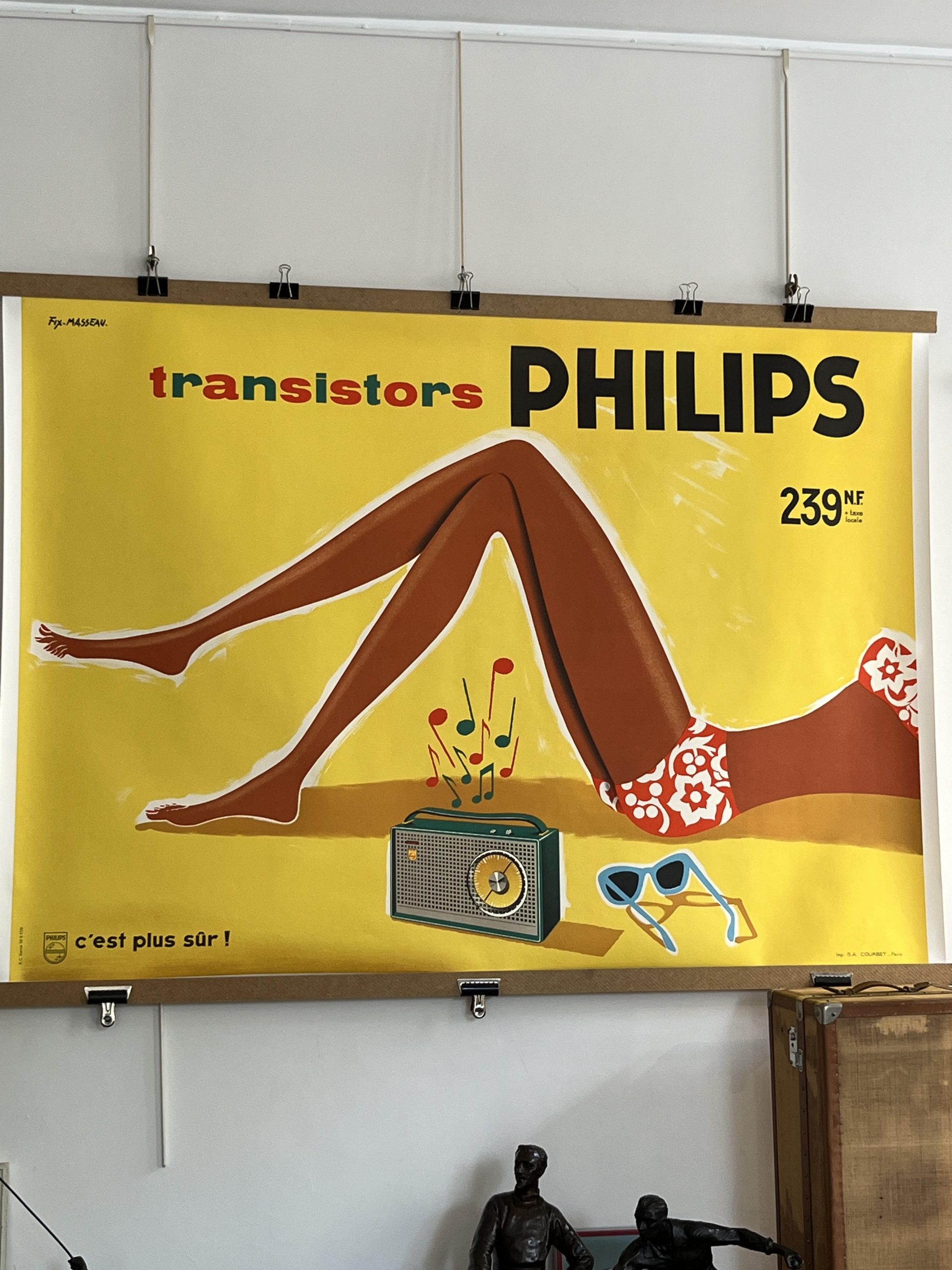
    The 1950s ushered in a period of tremendous growth in the development of consumer electronics, with Philips being one of the largest manufacturers of such devices. During the 1950s, Philips became a household name through the production and marketing of their radios, record players and televisions. With such a large collection of appliances, Philips commissioned dozens of European artists to promote their new product lines. Artists included the likes of A.M Cassandre, Hervé Morvan, Jean Colin and many more. Yet, the most exceptional poster was produced by Pierre Fix-Masseau for the Philips transistor radio.

    The image advertises one of the new transistor radios that were trending at that time, accompanied by the enjoyment of using the product at the beach. The poster evokes a sense of fun and relaxation, it is incredibly effective at attracting an onlookers eye with its rich yellow and detailed figures. The poster is reflective of Fix-Masseau’s artistic philosophy: ‘be simple, be direct, and use a universal language’.

    Fix-Masseau began his career as an apprentice to master Art Deco designer A.M. Cassandre, for whom he worked for from 1926 to 1928. This experience greatly impacted Fix-Masseau, who returned regularly to the geometry of his early Art Deco posters, but gradually moved away from this style to adopt one more of great simplicity. Although it can be said, Cassandre’s interest in foreshortening, heightened focal points, and flattened planes can be seen in Fix-Masseau’s works. Fix-Masseau combined Cassandre’s influence with his own mastery of perspective and intricate detail to create his own, distinctive style.

    If you are interested in this poster, please get in contact.

  • Nicolas

    The story behind ‘Nicolas’ and its character ‘Nectar’

    The Gallery is proud to have sourced and exhibiting the famous ‘Nicolas’ poster designed by Jules Isnard Dransy in 1930. The following will give you some background on Nicolas and its famous advertised character ‘Nectar’.

    Nicolas D'après Jules Isnard DRANSY Original Vintage Poster

    Depot Nicolas / Fines Bouteilles. 1922.
    By Jules Isnard Dransy (1883-1945)
    222.5 x 304.7 cm
    Source: Image from Rennets Gallery
    Nicolas is one of Frances’ most reputable wine distributors for 200 years began in 1822, when consuming wine at home was relatively unheard of, and the purchase of wine was often made from the Merchant or directly from the barrel. Founder of the company, Louis Nicolas, revolutionised wine drinking – by marketing wine by the bottle. Initially delivered to the home by a horse-drawn carriage, it changed the way people consumed wine.

    Nicolas. 1927.
    By Charles Loupot (1892-1962)
    226 x 305 cm
    Source: Image from Rennerts Gallery

    In 1922, when Etienne Nicolas took over the company, he approached the artist Dransy with a proposition; to design a poster for the brand that explained how the company delivered wine directly to the consumers door. This iconic design of a delivery man affectionately known as ‘Nectar’ was soon to become one of the most recognisable faces in France. Nectar was the first cartoon used in advertising, and was featured in various locations around France, inspiring and enchanting generations of wine drinkers. The image of the delivery man Nectar, always with a stunned appearance, became an inspiration for later posters by Cassandre, Loupot, and Iribe, amongst others. 

    Nicolas : Maquette. 1948.
    By A. M. Cassandre (Adolphe Mouron, 1901-1968)
    80 x 60 cm
    Source: Image from Rennerts Gallery

    Today, Nicolas has a total of 530 stores across France and the UK, including major towns and cities. Nicolas stocks more than 1,200 wines, champagnes and other beverages. Nicolas is the most popular wine distributor, selling the most high quality wine in France. 

    Nicolas. 1933.

    By Charles Loupot (1892-1962)
    50 3/8 x 79 1/2 in./131 x 202 cm

    Source: Image from Rennerts Gallery
  • Michel Quarez

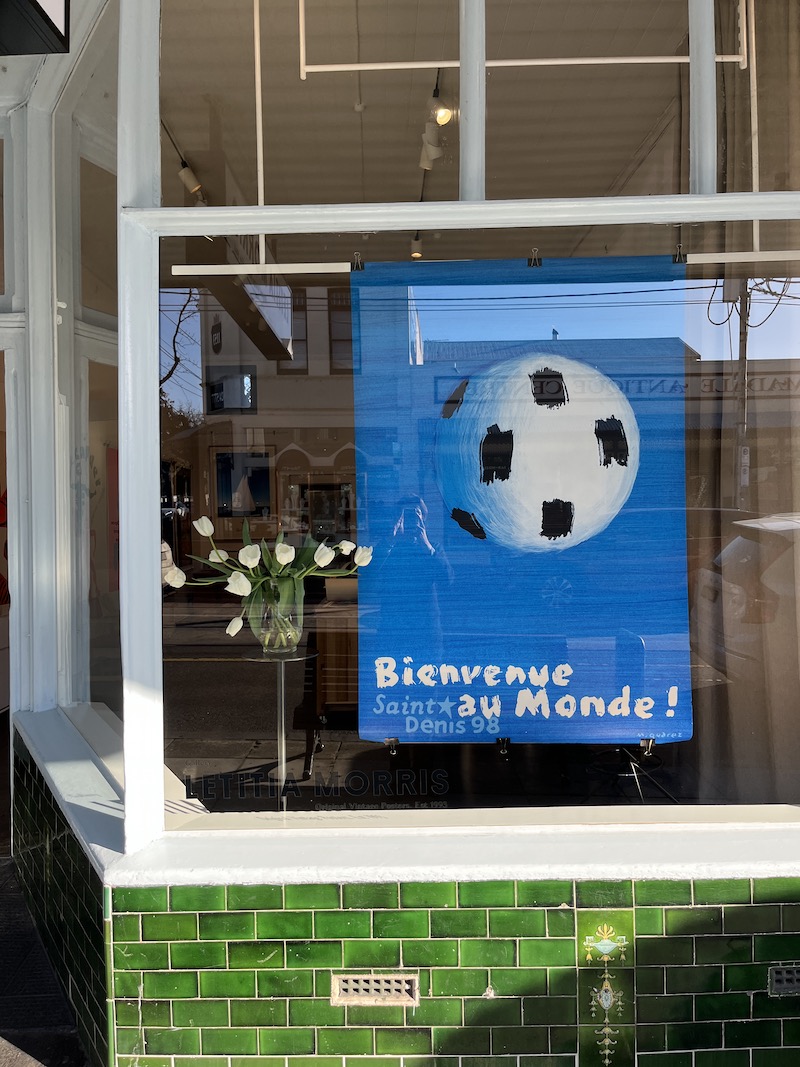
    Michel Quarez was born in 1938 in Damascus, Syria. After returning to France, Quarez trained at the l’Ecole National Superiéure des Arts Décoratifs, a school for Arts & Design. Later, Quarez was to study under the Polish poster artist, Henryk Tomaszewski, known to many as the “father” of the Polish Poster School. 

    After a career in art and advertising, which mainly included working as an illustrator, Quarez began to design posters. Many of them were screen-printed in bright, bold colours. This was to become a trademark for Quarez and his designs. Fluro yellow, vivid greens, neon pink and deep blues- colours that would attract passerby’s on the streets. His posters demand attention. Most of the works were centred around a particular theme or place, Saint Denis (norther suburb of Paris) for example, which has a predominately high immigrant community, where Quarez lived himself.

    Quarez frequently addressed issues such as discrimination, homophobia, the fight against AIDS, unemployment and social inequality. His bright designs added colour and humour to the streets; his strong political views sparking conversation and intrigue.

    Quarez passed away on December 8th, 2021 and leaves behind a legacy, his posters are as relevant today as they were thirty years ago. Quarez occupies a current place in the landscape of art and poster design.

    “The street is my gallery and I make no distinction between painting and making a poster” – Michel Quarez

    View our collection of Quarez posters: here

    Photos from Carolien Garvelink-Glazenburg

  • Yves Saint Laurent

    Yves Saint Laurent ‘LOVE’ Posters

    Yves Henri Donat Mathieu-Saint-Laurent, professionally known as Yves Saint-Laurent, was a French fashion designer who, in 1961, founded his own fashion label ‘YSL’. He is regarded as being amongst the most famous fashion designers of the twentieth century.

    During the early 1970’s, Yves Saint Laurent sent ‘LOVE’ cards to his closest friends and family in the form of drawings or collages.  More than seventy original creations around the word “Love”, were composed by the designer himself. These cards were then produced as posters which we are honoured to have as part of our collection.

    View our entire collection of YSL Love posters here! 


  • Joan Miró Exhibition

    Joan Miró was a Spanish painter, sculptor, and ceramicist born in Barcelona. The museum, Fundació Joan Miró, is dedicated to his work, founded in 1975, and his works are part of collections at major galleries all around the world. Currently, the exhibition “Joan Miró. Beyond painting.” is showing at the Fondaion Maeght, curated by Rosa Maria Malet, former director of the Fundació Joan Miró. The exhibition is based upon the creative process of Miró’s work; consisting of artist’s proofs, posters, prints, original lithographs, printing plates, final proofs and rare books.

    We have a selection of RARE original Miró lithographs from the Galerie Maeght, and the Festival of Miro, click here to view

      “The more I work, the more I want to work. I want to try my hand at sculpture, pottery, printing, have a press,” – Miró

Close